
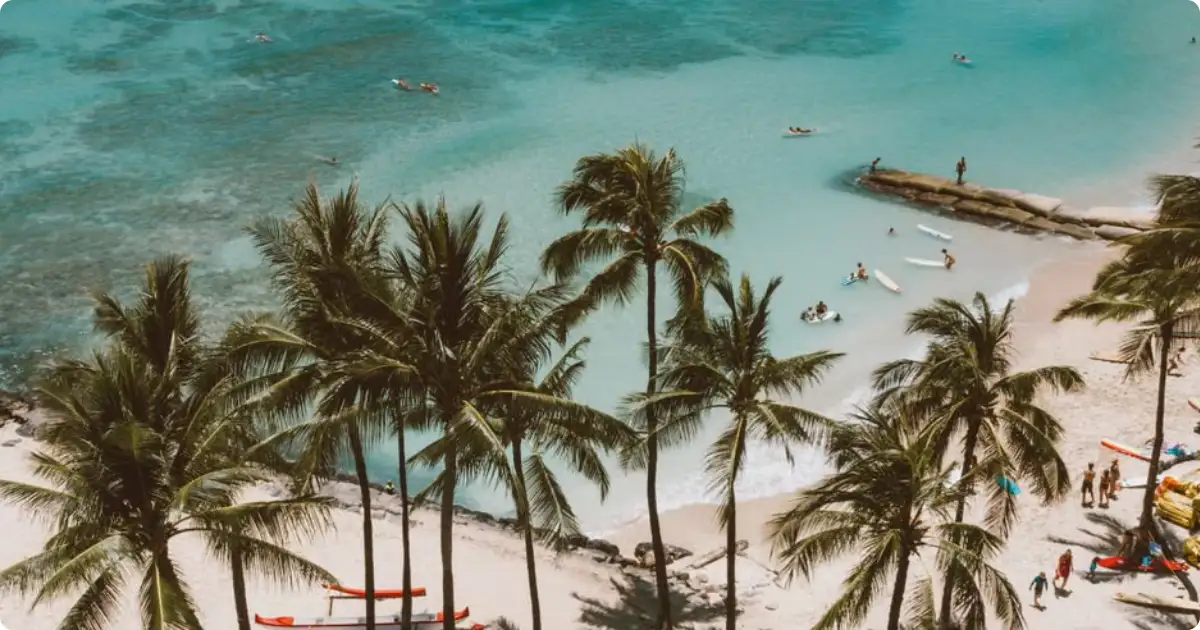

Choosing between Maui and Oahu is the question that starts almost every first Hawaii vacation. Both islands are genuinely spectacular. Both have world-class beaches, iconic scenery, and enough to fill a week without coming close to running out of things to do. And yet they feel almost nothing alike.
Oahu is Hawaii with the volume turned up a cosmopolitan island full of history, activity, and energy that never fully goes quiet. Maui is Hawaii as most people imagine it in a dream slow, lush, romantic, and built for the kind of vacation where you lose track of time.
Neither is wrong. But one is almost certainly a better match for what you actually want from your first visit.
This guide breaks down every meaningful difference between the two islands so you can walk away with a clear answer, not just a list of pros and cons.
Quick Answer
Choose Oahu if you want history, variety, nightlife, and a lower overall budget. Choose Maui if you want natural scenery, world-class snorkeling, a relaxed pace, and a more intimate resort experience. Both are excellent first destinations the right one depends entirely on what kind of vacation you’re looking for.
The Two Faces of Hawaii
Hawaii is not one place. It is a chain of islands, each with its own personality, geography, and rhythm. The most visited by far are Oahu and Maui, which together account for more than 80 percent of all visitors to the state.
Oahu is the most populated island in Hawaii, home to Honolulu and nearly one million residents. It handles the overwhelming majority of Hawaii’s visitors and has the infrastructure to match dense hotel corridors, multiple international airports, a functioning public transit system, and a culinary scene that punches well above its island weight.
Maui is quieter in every sense. Its population sits around 150,000. The resort areas are spacious and spread out rather than stacked on top of each other. And the island’s defining experiences the Road to Hana, Haleakala summit, Molokini Crater are all about immersion in nature rather than city amenities.
What Kind of Traveler Are You?
Before diving into individual categories, it helps to frame the core question. Do you want your Hawaiian vacation to feel like a destination somewhere to explore, discover, and stay busy? Or do you want it to feel like an escape somewhere to slow down, breathe out, and let the island dictate the pace?
If the answer is destination, Oahu is your island.
If the answer is escape, that’s Maui.
Almost every other difference between the two islands follows from this one.
Oahu at a Glance: The Island That Does Everything
The Energy and Scale of Honolulu
Oahu’s unofficial nickname is “The Gathering Place,” and it earns it. The island hosts the state capital, the busiest airport in the Pacific, and more hotel rooms than any other Hawaiian island by a significant margin. Waikiki, the main resort corridor, is a dense strip of high-rise hotels, shopping centers, restaurants, and beachfront bars that comes alive at all hours.
None of that is a criticism. For a first-time visitor who wants to maximize every day, the density is an asset. You can walk from your hotel to a surf lesson, a world-class dinner, and a rooftop bar all without renting a car.
History, Culture, and Landmarks
Oahu carries more cultural and historical weight than any other Hawaiian island. Pearl Harbor National Memorial, the USS Arizona Memorial, and the Battleship Missouri sit on the same shore where one of the defining moments of the twentieth century took place. These are not just tourist attractions they are genuinely moving experiences.
Iolani Palace, the only official royal palace on American soil, stands in downtown Honolulu and offers a window into the history of the Hawaiian monarchy. The Polynesian Cultural Center on the North Shore is the second most visited attraction in the state. Diamond Head, the ancient volcanic crater overlooking Waikiki, offers one of the most recognizable hikes in the Pacific.
For first-timers who want to understand Hawaii’s history and culture not just its coastline Oahu delivers in a way no other island can.
Beaches, Surfing, and the North Shore
Waikiki Beach is arguably the most famous beach in the world. It is not wild or remote, but the combination of calm waves, soft sand, Diamond Head as a backdrop, and constant energy gives it a character that photographs cannot fully capture. The offshore breakwater creates conditions gentle enough for true beginners to learn to surf, which is why Waikiki became the birthplace of modern surfing.
Beyond Waikiki, Oahu reveals a different face entirely. Lanikai Beach on the windward side consistently ranks among the best beaches on earth, with powdery white sand and electric blue water protected by an offshore reef. The North Shore is legendary for its winter surf Sunset Beach, Pipeline, and Waimea Bay host elite international competitions and produce waves that are extraordinary even to watch from the sand.
Nightlife, Food, and Budget
Oahu is the only Hawaiian island with a real nightlife scene. Waikiki’s bars, tiki lounges, and restaurants stay open well past midnight. Honolulu’s neighborhoods Kakaako, Chinatown, Kaimuki offer everything from James Beard-level restaurant cooking to casual plate lunch spots that have been feeding locals for decades.
Cost is a meaningful advantage. Oahu is consistently around 30 percent less expensive than Maui when you factor in accommodations, dining, activities, and transport. The wider range of hotels, the walkability of Waikiki, and the availability of budget-friendly local food all contribute to making Oahu a more accessible first trip for travelers watching their spending.
Maui at a Glance: The Island That Takes Your Breath Away
The Pace and Personality of Maui
Maui earns its nickname “The Valley Isle” through its extraordinary variety of landscapes volcanic peaks, bamboo forests, red-rock coastlines, and golden resort beaches, all on one island. What sets Maui apart from Oahu, more than any single feature, is its pace.
Life on Maui moves slowly by design. The resort areas of Wailea, Kaanapali, and Kihei are spread along the coast rather than concentrated in a single corridor, which naturally discourages the foot traffic and energy of Waikiki. Restaurants close earlier. Nightlife is quiet. And first-timers who expected Hawaii to feel like Oahu sometimes need a day or two to adjust before realizing that the slower pace is, in fact, the whole point.
Road to Hana and Haleakala
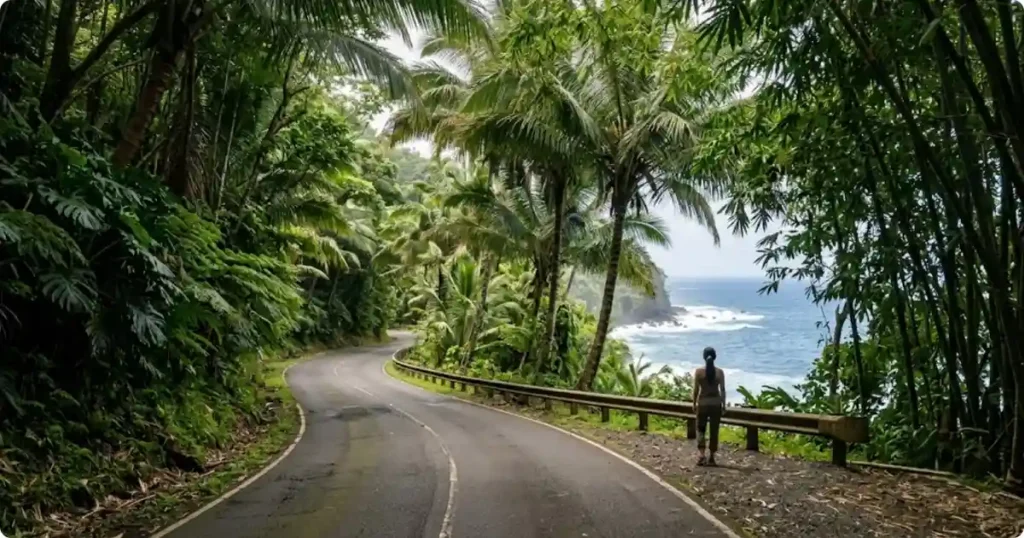
Maui’s two signature experiences are genuinely unlike anything else in the Hawaiian Islands.
The Road to Hana is a 64-mile coastal highway with more than 600 curves, 59 single-lane bridges, and a succession of waterfalls, black sand beaches, bamboo forests, and roadside fruit stands that make the drive itself the destination. Most visitors spend a full day on it. First-timers consistently rank it among the most memorable days of their lives.
Haleakala is Maui’s massive shield volcano, rising more than 10,000 feet above sea level. Watching the sunrise from the summit standing above the clouds while the sky shifts through layers of orange, violet, and gold is an experience that borders on the spiritual. It requires an early start and advance reservations, but for those willing to make the effort, it is unforgettable.
Beaches, Snorkeling, and Whale Watching
Maui’s beaches are among the most beautiful in Hawaii. Kaanapali Beach offers miles of soft gold sand and famously calm water. Wailea Beach, flanked by luxury resort paths, is one of the most refined beach experiences in the state. And for those seeking something different, Waianapanapa State Park delivers a dramatic black sand beach at the edge of the ocean.
Snorkeling on Maui is widely considered the best in Hawaii. Molokini Crater a sunken volcanic caldera located just offshore offers underwater visibility that can reach 150 feet, with sea turtles, spinner dolphins, and colorful reef fish in abundance. The protected bays at Napili, Kapalua, and Honolua also provide consistently clear, calm conditions for snorkelers of all experience levels.
Between December and April, the channel between Maui, Molokai, and Lanai becomes a sanctuary for thousands of migrating humpback whales. The whale watching on Maui during these months is some of the best in the world.
Resorts, Dining, and the Cost of Paradise
Maui’s resorts, particularly in Wailea and Kaanapali, are among the finest in Hawaii. Sprawling oceanfront properties with large pools, direct beach access, and open-air dining represent the standard rather than the exception. The trade-off is price. Maui leans heavily toward the luxury end of the market, and budget travelers will find fewer options than on Oahu.
Dining on Maui is focused on farm-to-table freshness and oceanfront elegance. The Upcountry region’s volcanic soil supports a range of small farms growing produce that feeds resort kitchens directly. Fresh-caught seafood, Maui onions, and locally grown tropical fruit appear throughout menus that prioritize quality over variety. Evening entertainment here leans toward sunset sails, beachside luaus, and acoustic music rather than clubs and late bars.
Maui vs Oahu: Category-by-Category for First-Timers
| Category | Oahu | Maui | Edge |
|---|---|---|---|
| Beaches | High variety Waikiki, Lanikai, North Shore winter surf | Consistently calm and beautiful; resort beaches within walking distance | Even |
| Snorkeling & Marine Life | Hanauma Bay; good but limited options | Molokini Crater, protected bays, sea turtles, whale watching (Dec–Apr) | Maui |
| Things to Do | Pearl Harbor, Polynesian Cultural Center, Diamond Head, surfing, food scene | Road to Hana, Haleakala, snorkeling tours, whale watching, Pipiwai Trail | Oahu |
| Hiking | Wide variety paved beginner paths to technical ridge trails | Fewer options; Pipiwai Trail and Sliding Sands are world-class | Oahu for variety; Maui for iconic trails |
| Nightlife | Active bars, live music, clubs open past midnight in Waikiki and Honolulu | Quiet restaurants and bars close early | Oahu |
| Cost | Wider price range; roughly 30% less expensive overall | Premium pricing; dominated by luxury resorts | Oahu |
| Weather | Similar in summer; more rain outside peak season in Waikiki | Drier and sunnier in resort areas during fall and winter | Maui (Oct–Apr) |
| Getting Around | Walkable in Waikiki; public transit and rideshare available | Rental car essential; attractions are spread across the island | Oahu |
Beaches
Both islands have genuinely exceptional beaches. The difference comes down to character and accessibility.
Oahu’s beaches cover more variety from the world-famous energy of Waikiki to the secluded perfection of Lanikai to the raw power of North Shore winter surf. The best beaches on Oahu require a car and some planning to reach, but the island rewards exploration.
Maui’s beaches are consistently beautiful and often calmer. Kaanapali and Wailea are located directly in front of the main resort areas, which means first-timers staying in those zones can walk from their room to a world-class beach with minimal effort. Maui’s beaches also tend to feel less crowded than Waikiki, particularly on the south and west shores.
Edge: Even different strengths for different priorities.
Snorkeling and Marine Life
This one is not particularly close. Maui offers the better snorkeling experience for first-timers, with more accessible spots, clearer average visibility, and higher concentrations of marine life. Molokini Crater alone is worth the trip for underwater enthusiasts. Sea turtles are reliably present at multiple locations along the west and south shores.
Oahu has excellent snorkeling at Hanauma Bay a protected marine sanctuary with a thriving reef but the experience requires advance reservations and attracts significant crowds. Overall, Oahu’s snorkeling inventory is narrower.
Edge: Maui.
Things to Do
Oahu wins this category, and it is not a close call for most first-timers. The sheer range of activities historical sites, cultural centers, hiking, surfing lessons, food tours, shopping, and nightlife means a week on Oahu rarely feels like enough. Travelers who need variety and stimulation will find Oahu nearly impossible to exhaust.
Maui’s activity list is shorter but high quality. Road to Hana, Haleakala, snorkeling at Molokini, whale watching, hiking the Pipiwai Trail the experiences are remarkable, but there are fewer of them. For some travelers, that focus is a feature. For others who want maximum variety, it can feel limiting by days four or five.
Edge: Oahu.
Hiking
Oahu has a genuinely surprising hiking scene. Diamond Head is the most famous trail, but the island’s sharp volcanic ridges and crater formations offer some of the most dramatic hikes in the Pacific. Manoa Falls leads through dense rainforest to a 150-foot waterfall. Koko Head Crater is a brutal climb up 1,048 railroad ties that rewards hikers with panoramic coastal views. Options range from beginner-friendly paved paths to technical ridge scrambles.
Maui’s hiking is beautiful but more specialized. The Pipiwai Trail near Hana a boardwalk through a towering bamboo forest culminating at the 400-foot Waimoku Falls is one of the best hikes in all of Hawaii. The Sliding Sands Trail inside Haleakala crater offers a landscape that looks more like Mars than Hawaii. But on the leeward side where most resorts are located, trail options are more limited and the terrain tends to be dry and exposed.
Edge: Oahu for variety; Maui for iconic individual experiences.
Nightlife
This is Oahu’s strongest category advantage. Waikiki comes alive after dark with oceanfront bars, tiki lounges, live music venues, and nightclubs that stay active well past midnight. Honolulu’s Chinatown and Kakaako neighborhoods offer a more local alternative with craft cocktail bars, galleries, and late-night dining.
Maui is quiet at night. Lahaina and Kihei have restaurants and bars, but the scene thins out early. For travelers who want their evenings to be part of the vacation experience not just a prelude to the next morning Oahu is the clear choice.
Edge: Oahu.
Cost
Oahu is consistently less expensive. Accommodations cover a wider range of price points, from budget hostels and boutique hotels to luxury properties. Local food plate lunches, poke bowls, garlic shrimp trucks, malasadas is genuinely affordable and excellent. Public transit in Honolulu is functional enough to reduce reliance on rental cars.
Maui’s cost structure skews toward the premium end. The dominance of luxury resort areas in Wailea and Kaanapali means that mid-range and budget options are harder to find and fill up faster. Dining and activities are generally more expensive. Renting a car is effectively mandatory for getting around.
Edge: Oahu.
Weather
Both islands enjoy warm, tropical weather year-round. The key difference applies outside of summer months.
Between May and September, rainfall patterns are similar across the main resort areas of both islands. From October through April, Oahu’s resort corridor in Waikiki sees more rainfall than Maui’s resort areas in Wailea and Kaanapali. If a first trip falls outside peak summer, Maui offers more consistently dry and sunny conditions in its primary vacation zones.
Both islands have distinct microclimates. The leeward (west and south) shores where most resorts are located are drier. The windward (east) sides are lush, green, and noticeably wetter.
Edge: Maui, particularly for fall and winter travel.
Getting Around
Oahu is more navigable without a car. Waikiki is highly walkable, rideshare services are readily available, and Honolulu has a functional public bus network. First-timers staying in Waikiki can access beaches, restaurants, and several major attractions entirely on foot or by rideshare.
A car on Oahu is helpful for reaching the North Shore and windward side, but not required for a satisfying trip.
On Maui, a rental car is not optional. The island’s attractions are spread across its geography in a way that makes them effectively inaccessible without personal transport. Road to Hana, Haleakala, and even moving between the resort areas requires driving. Budget for the car from the start.
Edge: Oahu for ease of getting around.
Who Should Choose Oahu
Oahu is the right first island if you:
- Want to explore beyond beaches history, culture, and landmarks matter to you
- Are traveling with children and want variety and accessible activities
- Want nightlife and a range of dining options that stay open late
- Are on a tighter budget and need more accommodation and food flexibility
- Want to learn to surf or try beginner water sports in calm, forgiving conditions
- Value walkability and do not want to depend on a rental car
- Have fewer than six days and want to pack in as much as possible
Who Should Choose Maui
| Choose Oahu If You… | Choose Maui If You… |
|---|---|
| Want history, culture, and landmarks alongside beaches | Want natural scenery and a slower, more peaceful pace |
| Are traveling with children and need variety | Are traveling as a couple or on a honeymoon |
| Want nightlife and late-night dining options | Prioritize snorkeling, marine life, and water clarity |
| Are on a tighter budget | Are visiting Dec–Apr and want to see humpback whales |
| Want beginner-friendly surf lessons in calm conditions | Want signature experiences Haleakala sunrise, Road to Hana |
| Prefer walkability over renting a car | Are comfortable with a rental car and self-guided exploration |
| Have fewer than six days and want maximum variety | Prefer expansive resort settings over dense hotel corridors |
Maui is the right first island if you:
- Want a slower, more peaceful vacation focused on natural beauty
- Are traveling as a couple or on a honeymoon
- Prioritize snorkeling, marine life, and water clarity
- Want to experience signature Hawaii moments sunrise above the clouds, a coastal road trip through rainforest
- Are visiting between December and April and want to see humpback whales
- Prefer expansive resort settings over dense hotel corridors
- Are comfortable renting a car and enjoy the independence of self-guided exploration
Can You Visit Both?
Yes, and it is easier than most first-timers expect. The flight between Honolulu and Kahului Airport on Maui takes roughly 30 to 35 minutes. Inter-island flights are frequent throughout the day and are generally inexpensive when booked in advance.
A common approach that works well: start on Oahu for three to four days to absorb the history, culture, and energy of Honolulu, then fly to Maui for four to five days of slower-paced beaches and nature. The contrast between the two islands becomes part of the experience each one makes you appreciate the other more.
A week or less on one island is still a satisfying trip. But if the itinerary allows for ten days or more, island-hopping is strongly worth considering.
Final Verdict
Maui and Oahu are genuinely different islands, and that difference is the key to making the right choice for your first visit.
Oahu rewards first-timers who want to experience the full range of what Hawaii offers its history, culture, beaches, food, and energy without worrying too much about budget or logistics. It is an island that gives generously and forgives easily.
Maui rewards first-timers who arrive knowing what they want: natural beauty at an unhurried pace, world-class snorkeling, dramatic landscapes, and the kind of resort experience that is hard to find anywhere else in the Pacific. It asks more of your budget and requires more planning, but it returns that investment with some of the most visually stunning and emotionally memorable days a Hawaiian vacation can produce.
If you are still genuinely undecided, let your travel style make the call. Busy, curious, budget-conscious, and traveling with kids? Start on Oahu. Romantic, nature-driven, willing to spend more for a slower and more beautiful experience? Maui is waiting.
Either way, you are going to Hawaii. There is no bad choice here.
