
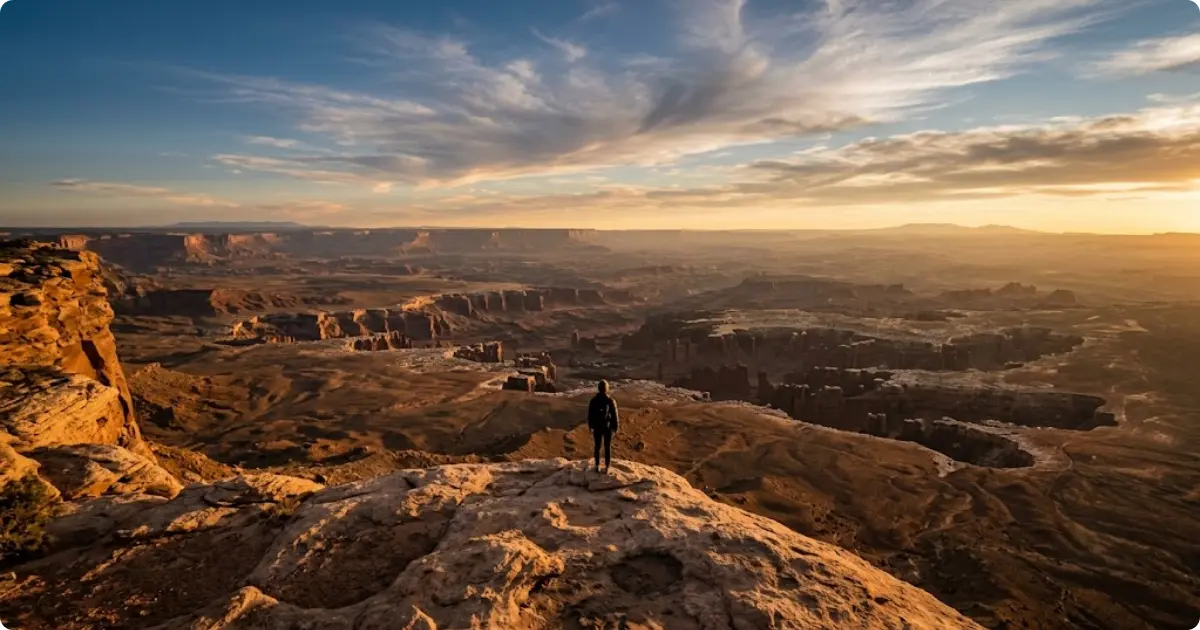

The phrase “bucket list” carries real weight. It describes the experiences you refuse to let slip through the cracks of ordinary life the places that pull at something deeper than a weekend escape ever could. But most travel bucket lists are either too vague to act on or too polished to feel personal.
This guide is built differently. It is organized by traveler type, budget, and region so you can find ideas that actually match your life whether you are planning a solo backpacking trip through Southeast Asia, a romantic escape to the Maldives, or a family road trip through the American West. More than 200 ideas are gathered here, spanning adventure, culture, nature, and those rare moments that are simply hard to explain to anyone who wasn’t there.
Think of it as a starting point, not a checklist. The best travel bucket list is the one you build yourself and this one gives you the raw material to do exactly that.
What Makes a Travel Bucket List Worth Keeping
A travel bucket list is not just a collection of pretty destinations. It is a record of the experiences that matter enough to plan around places and moments worth saving for, taking time off for, and sometimes rearranging life for.
The problem with most lists is that they are built from someone else’s priorities. A bucket list that works for a retired couple is not the same as one that works for a solo adventurer in their twenties with a carry-on and a tight budget. Context matters.
The difference between a wish list and a real plan
A wish list is passive. A bucket list is intentional. The difference lies in specificity and ownership. Saying “I want to visit Japan” is a wish. Saying “I want to walk the Nakasendo trail between Magome and Tsumago and spend a night in a traditional machiya inn” is a bucket list item because it is specific enough to research, save for, and actually do.
The experiences that tend to stick are also rarely about place alone. They are about what happens in that place: watching dawn break over Angkor Wat with a handful of other quiet visitors, floating in the silence of Iceland’s Blue Lagoon while snow falls around you, or simply eating a bowl of pho at a street stall in Hanoi that you would never have found without taking a wrong turn. The location matters, but the experience is what you carry home.
How to use this list
Read through the categories that match your current situation your travel style, budget, and who you are traveling with. Mark anything that sparks something. Do not force ideas onto your list because they are popular. The most satisfying travel bucket lists are personal, not performative.
At the end of this guide, you will find a section on how to build and actually track your own list so that it becomes something you return to rather than something you forget.
Adventure and Adrenaline Bucket List Ideas
For travelers who want their heart rate to reflect the experience, these are the ideas worth chasing.
On land
Trekking to Everest Base Camp in Nepal remains one of the most rewarding multi-day hikes a person can complete without technical climbing experience. The trail passes through Sherpa villages and high-altitude landscapes that feel genuinely unreachable until you are standing in them.
Cycling the length of Vietnam from Hanoi to Ho Chi Minh City takes most riders two to four weeks and crosses terrain ranging from coastal highways to mountain switchbacks. The sheer variety of landscapes and the warmth of roadside encounters make it a favorite among long-distance cyclists.
Hiking the Inca Trail to Machu Picchu is a four-day trek through cloud forest and high-altitude passes. Reaching the Sun Gate at dawn to look down on the citadel below is a moment that photographs but never quite captures.
Other on-land adventures to consider:
Walking the Camino de Santiago across northern Spain. Tackling the Milford Track in New Zealand, widely considered one of the finest walks in the world. Riding a horse across Mongolia’s Steppe with a local guide. Overlanding through the Serengeti during the Great Migration. Hiking rim to river to rim across the Grand Canyon in a single day. Cycling across Iceland on gravel roads. Trekking through Bhutan’s Snowman route for experienced long-distance hikers.
Safari in Kruger National Park on foot, guided by a ranger who reads the bush in a way no vehicle can. Climbing Kilimanjaro via the Lemosho route, the longest approach and, for most hikers, the most rewarding. Spending a night in the Sahara under the stars near Merzouga, Morocco, with silence as the dominant soundtrack.
In the air
A hot air balloon ride over Cappadocia in Turkey at sunrise is one of the most photographed experiences in travel for a reason. Hundreds of balloons rise simultaneously from the volcanic landscape of the Goreme Valley, creating a scene that is genuinely difficult to believe until you are floating inside it.
Paragliding from Oludeniz in Turkey, with the blue lagoon below and the Aegean stretching to the horizon, regularly appears at the top of adventure travelers’ lists across the world.
Additional air-based experiences worth including: a scenic flight over the Alaskan Range and Denali, skydiving above the Swiss Alps, a helicopter flight over the Na Pali Coast of Kauai, a seaplane transfer to a remote Maldivian atoll, a scenic flight over the Norwegian fjords, microlight flying over the Zambezi River at sunset, and a hang-gliding flight above Rio de Janeiro with the city spread below.
On and under the water
Diving the Great Barrier Reef remains a rite of passage for scuba divers, though the reef’s northern sections near Cairns and the Ribbon Reefs offer the most pristine conditions. For snorkelers, the coral gardens around the Whitsunday Islands are equally rewarding.
Swimming with whale sharks in the Ningaloo Reef in Western Australia puts you in the water alongside the world’s largest fish in a marine park where interaction guidelines are strictly followed. The experience is equal parts humbling and exhilarating.
Further water-based bucket list ideas: white-water rafting the Zambezi River through Batoka Gorge, kayaking through the glacial fjords of Patagonia, surfing the legendary breaks at Pipeline on Oahu’s North Shore, stand-up paddleboarding through the sea caves of the Algarve, snorkeling in the bioluminescent bays of Vieques in Puerto Rico, canyoning in the Blue Mountains of Australia, and sailing between the Greek islands on a chartered catamaran.
For a more contemplative water experience, floating in the Dead Sea on the Israel-Jordan border is unlike anything else the salinity is so high that sinking is almost impossible, and the sensation of effortless buoyancy in that mineral-rich silence stays with most visitors long after they leave.
Natural Wonders to See Before You Die
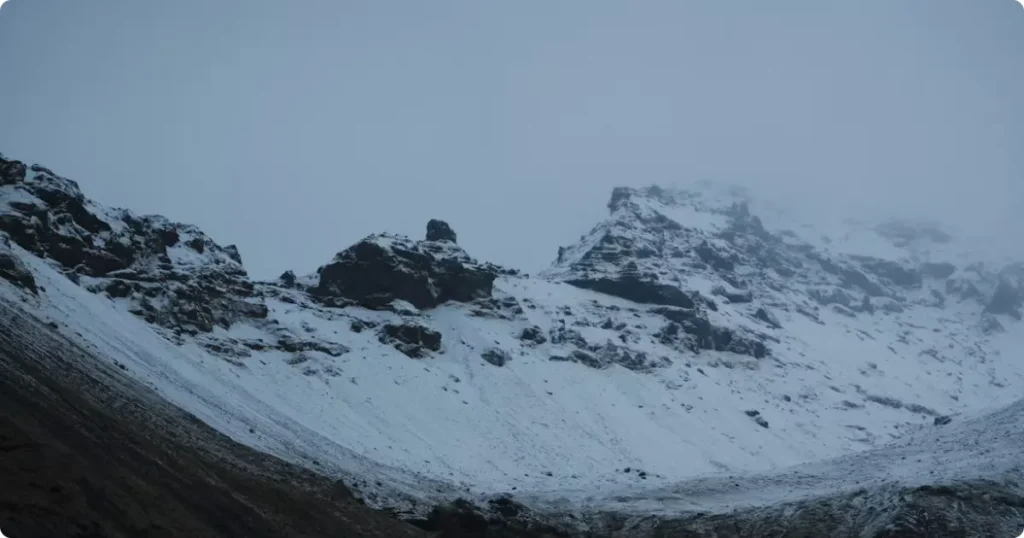
Some of the most powerful travel experiences require no ticket, no tour guide, and no preparation beyond showing up.
Iconic landscapes
The Northern Lights are visible from multiple destinations including Iceland, northern Norway, Finland, and northern Canada, but Tromsø, Norway consistently offers clear-sky viewing combined with comfortable infrastructure. The aurora is unpredictable, which is part of its appeal spending three nights watching a sky explode in green is not something that can be scheduled, only chased.
Victoria Falls, on the border of Zambia and Zimbabwe, is best experienced during the high-water season when the spray rises so high it creates its own rainfall. Standing at the edge of the gorge and feeling the ground vibrate underfoot is a physical encounter with nature’s scale that photographs consistently fail to convey.
Patagonia’s Torres del Paine National Park in Chile offers one of the most dramatic landscapes on earth: granite spires, turquoise lakes, and glaciers advancing and retreating in geological slow motion. The W Trek takes most hikers four to five days and is manageable without technical experience.
More natural landmark bucket list ideas: watching the sun set from the rim of the Grand Canyon, standing at the base of Angel Falls in Venezuela, trekking to the viewpoint above Trolltunga in Norway, witnessing the midnight sun in the Lofoten Islands, visiting the salt flats of Salar de Uyuni in Bolivia during the wet season when the surface becomes a perfect mirror, watching a volcanic eruption from a safe distance on Hawaii’s Big Island, and seeing the bioluminescent plankton light up Mosquito Bay in Puerto Rico on a moonless night.
Iceland alone contains enough natural wonders to fill a bucket list: the geothermal valley of Geysir, the Jokulsarlon glacier lagoon, the black sand beaches of Reynisfjara, and the volcanic landscapes of the Westfjords, which most visitors never reach.
Wildlife and wilderness experiences
The Serengeti and Masai Mara offer the best access to the Great Migration, the annual movement of over a million wildebeest across the Serengeti ecosystem. The river crossings, where herds plunge into crocodile-filled water in waves of blind momentum, are among the most dramatic wildlife events observable anywhere on earth.
The Galapagos Islands remain one of the few places on the planet where wildlife has little fear of humans. Walking among sea lions, marine iguanas, and blue-footed boobies that simply continue their business as you pass by is a genuinely unusual experience. Land-based itineraries have expanded significantly and offer access to the same wildlife as cruise-based tours at a lower cost.
Gorilla trekking in Uganda’s Bwindi Impenetrable Forest or Rwanda’s Volcanoes National Park puts you within a few feet of mountain gorillas in their natural habitat. Groups are limited to eight visitors per gorilla family per day, and the permit system ensures population impact is carefully managed. Spending an hour with a gorilla family watching juveniles wrestle while a silverback sits in serene indifference is widely described as one of the most moving wildlife encounters available anywhere.
Other wildlife-focused bucket list experiences: tracking polar bears in Churchill, Manitoba during October and November, whale watching in Baja California during gray whale calving season, diving with manta rays in the Maldives, snorkeling with sea lions in the Galapagos, birdwatching in Costa Rica’s cloud forests, and night-diving with bioluminescent plankton in the Maldives.
Cultural and Historical Bucket List Experiences
History and living culture offer some of the most layered travel experiences available places and moments that reframe how you understand both the past and the present.
Ancient ruins and world heritage sites
Machu Picchu in Peru is one of the best-preserved ancient cities in the world, and its dramatic position on a cloud-wreathed ridge above the Urubamba Valley gives it an atmosphere that outlasts even the most crowded visitor days. Arriving by the Inca Trail earns the experience in a way the train does not, though both routes deliver.
Petra in Jordan, the rose-red city carved into sheer cliff faces by the Nabataeans more than 2,000 years ago, rewards visitors who arrive early enough to have the Siq the narrow gorge entrance largely to themselves. The scale of the Treasury, the first major monument to appear at the end of the gorge, is always a shock regardless of how many photographs you have seen.
Angkor Wat in Cambodia is best understood over two or more days. The main temple is the most visited, but the surrounding complex contains dozens of structures that most day-trippers never reach. Watching the sun rise over the reflecting pools at the main temple entrance, with the towers silhouetted against orange sky, is a bucket list moment that delivers exactly what it promises.
Further ancient site ideas: walking the Colosseum’s arena floor in Rome, exploring the temples of Bagan in Myanmar before dawn, visiting Tikal in Guatemala at sunrise when the howler monkeys are at full volume, standing in the inner circle of Stonehenge on the summer solstice, touring the necropolis of Saqqara in Egypt away from the crowds at Giza, walking Hadrian’s Wall across northern England, exploring the cliff dwellings of Mesa Verde in Colorado, and visiting the perfectly preserved Roman city of Pompeii on a quiet morning in early spring.
Festivals and living traditions
The Holi festival in India particularly in Vrindavan and Mathura, where the celebration is most deeply rooted is a full-color immersion into one of the world’s most joyful traditions. Arriving the day before the main celebration and spending time in the smaller temple gatherings often delivers a more meaningful experience than the main event itself.
Dia de los Muertos in Oaxaca, Mexico, is not a Halloween imitation — it is a genuine three-day ceremony of remembrance, altar-building, and marigold-lined cemetery visits that connects the living and the dead in a way that is deeply moving for visitors willing to approach it with respect and patience.
More cultural bucket list ideas: attending the Pushkar Camel Fair in Rajasthan, watching the whirling dervish ceremony in Konya, Turkey, witnessing the Inti Raymi sun festival in Cusco, Peru, experiencing the Lantern Festival in Pingxi, Taiwan, attending Carnival in Trinidad (rather than Rio, where the spectacle has largely replaced the participation), and spending a morning observing the alms-giving ceremony of Buddhist monks in Luang Prabang, Laos.
Travel Bucket List Ideas for Couples
Shared experiences create shared memory in a way that gifts and gestures cannot replicate. These ideas are built for two.
Romantic destinations
Santorini’s caldera-edge villages of Oia and Imerovigli deliver the iconic Greek island experience, but the sunsets from the rim of the caldera are most meaningful when experienced without the main crowds arriving at viewpoints thirty minutes before sunset and returning after the tourist buses leave reveals a quieter version of the same view.
The Maldives offers the most complete overwater bungalow experience available anywhere. The combination of direct lagoon access from your room, complete privacy, and the visual impact of water in every direction creates a sense of seclusion that very few other destinations match.
Kyoto in late March or early November cherry blossom and autumn foliage seasons respectively offers the most visually concentrated version of Japan’s aesthetic tradition. Walking the Philosopher’s Path at dawn when the petals or leaves are at peak and the crowds have not yet arrived is a specific experience worth planning around.
Other couple-focused romantic destinations: hiking to a private waterfall in the jungles of Dominica, sailing the Whitsunday Islands on a chartered catamaran, spending a week in a traditional riad in the medina of Marrakech, renting a villa in the Umbrian hills of Italy, watching the midnight sun from a glass-ceiling cabin in Finnish Lapland, and taking the Glacier Express train through the Swiss Alps.
Experiences worth sharing
The Trans-Siberian Railway journey from Moscow to Vladivostok or the branch route into Mongolia takes seven to nine days on the longest train route in the world. The experience is as much about the time spent together as the landscape passing outside, and it rewards travelers who are happy to slow down.
Cooking classes taken in the country of origin pasta in Bologna, tagine in Marrakech, sushi in Tokyo, pho in Hanoi offer a way into the culture that restaurant meals alone cannot. Learning to cook a dish together and then eating it together is one of the more reliable ways to make a memory rather than simply record one.
Further shared bucket list ideas: attending a classical music concert in Vienna’s Musikverein, stargazing in the Atacama Desert (the clearest skies in the world), taking a dawn gondola ride through Venice before the city wakes up, and hiring a private guide for a full-day visit to a single historical site rather than rushing through several.
Travel Bucket List Ideas for Solo Travelers
Solo travel changes the nature of every experience. Without the buffer of a companion, you engage more directly with the place and the people in it.
Places that reward going alone
Japan is consistently ranked among the best destinations for solo travelers. It is safe, easy to navigate on public transit, and built around a culture of hospitality toward the individual visitor. The country rewards slow movement spending a week in Kyoto rather than two days, or arriving in a rural onsen town with no fixed plan, tends to produce the experiences that solo travelers describe years later.
Morocco’s imperial cities Fez, Marrakech, Meknes, and Rabat are best explored slowly on foot. The medinas are genuinely labyrinthine, which is a disadvantage when you are anxious and an advantage when you are open to getting lost. Solo travelers who stay in riads with resident hosts consistently report better experiences than those who stay in international hotels.
Further solo-friendly destinations: Peru’s Sacred Valley away from the Cusco crowds, Iceland for independent road trips around the Ring Road, Taiwan for its combination of safety, affordability, and cultural depth, Georgia (the country) for its hospitality tradition toward solo visitors, and Vietnam for its end-to-end travel circuit that rewards a few weeks of unhurried movement.
Transformative solo experiences
Walking a multi-day trail alone whether the Appalachian Trail in sections, the GR20 in Corsica, or the Tour du Mont Blanc creates a specific quality of solitude that group hiking does not. The rhythm of daily walking, simple eating, and deep sleeping produces a clarity of thinking that solo travelers often describe as the real point of the trip.
Volunteering abroad through a reputable organization for two to four weeks marine conservation in the Philippines, wildlife research in Namibia, or community-based teaching programs in rural Cambodia provides both genuine contribution and genuine immersion. The relationships formed during structured volunteer programs often outlast those made on any number of solo sightseeing trips.
Additional solo bucket list ideas: attending a silent meditation retreat in Thailand or India, learning a new language through a homestay program, spending a month in a single city and living like a local rather than a tourist, and booking a last-minute flight to a destination you have never researched and navigating it entirely without a plan.
Family Bucket List Travel Ideas
Family travel at its best creates shared reference points that children carry into adulthood. The most memorable family trips are rarely the most expensive ones.
Kid-friendly adventures
A safari in Kenya or Tanzania, specifically designed for families, introduces children to wildlife in a context no documentary can replicate. Seeing an elephant family moving across the plain at close range from an open vehicle, with a knowledgeable guide explaining what is happening in real time, is the kind of experience that shapes how a child understands the natural world.
Costa Rica is one of the most accessible adventure destinations for families with children across a range of ages. Ziplining through cloud forest canopy, watching sea turtle nesting on Pacific beaches, and encountering wildlife in national parks all within a single compact country makes it unusually efficient for families with limited time.
Further family-friendly adventures: snorkeling in the Florida Keys, visiting the Galapagos Islands (outstanding for children due to wildlife that can be approached closely), exploring the national parks of the American Southwest on a road trip, whale watching off the coast of Baja California, and kayaking through sea caves in the Pacific Northwest.
Educational experiences the whole family will remember
Visiting Pompeii with children who have studied Roman history produces a different engagement with the site than any classroom lesson delivers. Walking through rooms where the furniture, food, and daily objects are still partially intact, knowing exactly what happened and when, creates a connection to history that is genuinely difficult to replicate any other way.
The Smithsonian museums in Washington, D.C. are free and cover everything from natural history to air and space exploration at a depth that rewards multiple visits. Planning a dedicated D.C. trip around two or three specific museums rather than rushing through all of them tends to produce more meaningful experiences for children.
Additional family educational bucket list ideas: visiting the Anne Frank House in Amsterdam, touring the battlefields of Normandy, exploring the ancient city of Chichen Itza in Mexico, visiting NASA’s Kennedy Space Center, and taking a farm-stay in a working agricultural community where children can understand where food actually comes from.
Budget Bucket List Travel Ideas
Some of the most extraordinary travel experiences on earth cost very little. The assumption that a great bucket list requires a large budget is one of the most common misconceptions in travel.
Affordable destinations with outsized experiences
Vietnam consistently delivers one of the highest ratios of experience to expense available anywhere. For travelers on a careful budget, it is possible to eat exceptionally well, stay in comfortable guesthouses, and travel the length of the country by train and bus for a total daily cost well below what a midrange hotel in Western Europe would charge alone.
Portugal particularly the Alentejo and interior regions away from Lisbon and Porto remains among the most affordable destinations in Western Europe. The food is excellent, the wine is outstanding, the landscape is varied, and the country is safe and easy to navigate independently.
Georgia (the country, in the Caucasus) is a destination that experienced travelers consistently describe as the best value in the world right now. The food and wine culture is deep and unique, the landscapes range from Black Sea coast to high Caucasus mountain villages, and the people are known across the region for their hospitality tradition.
Further budget-friendly bucket list destinations: Albania’s Riviera coast, Bolivia including the Salar de Uyuni and Lake Titicaca, Mexico’s Oaxaca state for food and culture, Sri Lanka for its combination of beaches, wildlife, and ancient temples, and Southeast Asia broadly Cambodia, Laos, and Myanmar particularly for travelers seeking depth over convenience.
Free and low-cost wonders
America’s National Park system offers access to some of the most spectacular landscapes in the world for the cost of a single annual pass. Zion, Bryce Canyon, Arches, Canyonlands, Capitol Reef, Grand Teton, and Glacier are all within a few days’ driving of each other and collectively represent a natural spectacle that is largely unmatched anywhere on earth.
Walking the length of any major European city over two or three days following neighborhoods rather than landmarks is among the most satisfying forms of travel and costs almost nothing beyond accommodation and food. Berlin, Budapest, Porto, Zagreb, and Ljubljana are particularly rewarding cities for this approach.
Additional low-cost bucket list experiences: watching sunrise from a mountain summit (many require only effort, not money), swimming in the natural pools of Iceland’s rivers and geothermal springs, attending free cultural festivals in cities across Europe, hiking through the Scottish Highlands on long-distance footpaths, and watching the sunset from a hilltop in Tuscany with a bottle of local wine.
Luxury Bucket List Travel Ideas
When budget is not the primary constraint, certain experiences become possible that redefine what travel can feel like.
Once-in-a-lifetime stays
An overwater bungalow at one of the Four Seasons properties in the Maldives delivers a level of seclusion and natural beauty that few hotels anywhere in the world match. Waking up above a clear lagoon, watching reef sharks glide below the glass floor panel, and stepping directly into warm water from your private deck is the definitive version of this particular experience.
The Singular Patagonia in Chile, situated on a historic sheep-shearing facility on the Last Hope Sound, combines extraordinary natural access with the kind of architectural intelligence that makes a hotel feel like it belongs exactly where it stands. Guided hikes, boat excursions into the fjords, and a dining program built around local ingredients make it as much an expedition as an accommodation.
Further luxury accommodation bucket list ideas: sleeping in a converted lighthouse on the Croatian coast, staying in a cave suite in Santorini with a caldera view, booking a private island villa in French Polynesia, spending a week in a traditional Japanese ryokan with kaiseki meals and private onsen access, staying in a tented camp in the Masai Mara during the Great Migration, and renting a palazzo apartment in Venice for a week.
Splurge experiences worth every penny
The Venice Simplon-Orient-Express between London and Venice is one of the few train journeys in the world where the journey is genuinely the destination. The restored 1920s carriages, the dining car service, and the landscape scrolling past over two days combine to create something that modern travel rarely delivers: a sense of occasion.
Private guiding at major historical sites the Egyptian Museum in Cairo, the Uffizi in Florence, the Vatican Museums transforms the experience from crowd management to genuine education. The difference between visiting a great collection with a specialist guide and joining a group tour is the difference between conversation and narration.
Additional luxury bucket list experiences: chartering a gulet along the Turkish coast, taking a private helicopter flight over Iceland’s interior highlands, commissioning a custom safari itinerary in Botswana with fly-in camps, attending a private wine tasting at a Burgundy domaine, and experiencing a chef’s table dinner at a restaurant with a meaningful relationship to its local landscape.
USA Travel Bucket List Ideas
The United States contains more concentrated natural spectacle than any other single country in the world, alongside cities and cultural experiences that can absorb weeks of attention.
National parks and natural landmarks
The Grand Canyon is one of those places that creates genuine disorientation on first view the scale is so far beyond what photographs suggest that the brain takes a moment to adjust. The South Rim is the most accessible entry point, but the North Rim, open only part of the year, offers a quieter experience. Hiking below the rim even just to the Bright Angel Trailhead and a short distance down changes the experience entirely.
Yellowstone National Park contains more geothermal features than anywhere else on the planet. Old Faithful is the famous draw, but the Grand Prismatic Spring, the Norris Geyser Basin, the Lamar Valley for wolf and bear watching, and the canyon of the Yellowstone River collectively make it a destination that rewards multiple visits and multiple days.
The Oregon Coast, driven end to end on Highway 101, passes sea stacks, tide pools, fishing villages, sand dunes, and forested headlands over roughly 350 miles. It is one of America’s most underrated scenic drives and one of the few places where dramatic coastal landscape and complete absence of resort-hotel density coexist.
Further USA natural bucket list ideas: hiking the Enchantments in Washington State, visiting the Boundary Waters Canoe Area in Minnesota for silent water travel through a roadless wilderness, seeing the Redwoods in Northern California, watching the bison herds in Custer State Park in South Dakota, kayaking through the Apostle Islands sea caves in Wisconsin, and hiking Half Dome in Yosemite (permit required).
Cities and cultural experiences
New Orleans rewards slow movement through its neighborhoods the French Quarter for its historic architecture, the Garden District for its antebellum mansions, the Tremé for its musical history, and the Irish Channel for its neighborhood character. Jazz flows out of bars on Frenchmen Street nightly, and the food culture is among the most distinctive and deeply rooted in the country.
Charleston, South Carolina combines Antebellum architecture, a serious food scene, and direct access to the sea islands and their Gullah Geechee cultural heritage. Taking a guided food tour through the historic district and spending a day on Wadmalaw Island at a working tea plantation offers layers of history and culture that a typical city visit misses.
Further USA cultural bucket list ideas: attending a performance at the Grand Ole Opry in Nashville, spending a week in Santa Fe and visiting the surrounding Pueblo communities, watching the sunrise from the top of Diamond Head in Honolulu, attending the New York Metropolitan Opera, visiting the Mississippi Delta towns of the Blues Trail, and driving the Blue Ridge Parkway during peak fall foliage.
World Travel Bucket List by Region
Europe
Europe offers the highest density of bucket list experiences per square mile of any region in the world. The challenge is usually not finding things worth doing but choosing between them.
Ideas by country worth including on a world bucket list: watching the Northern Lights from a glass-ceiling hut in Finnish Lapland, spending a week in the Peloponnese of Greece rather than the islands, taking the ferry through the Norwegian fjords on the Hurtigruten coastal route, cycling through the Dutch countryside during tulip season, hiking the Alta Via 1 through the Dolomites in northeastern Italy, spending a long weekend in the medieval walled city of Dubrovnik before the summer peak, attending the Edinburgh Festival Fringe in August, and walking the length of the Amalfi Coast trail from Positano to Ravello.
Less obvious European bucket list ideas: exploring the cave monastery complex of Meteora in central Greece, visiting the floating villages of the Serbian-Romanian border at the Iron Gates gorge, attending the Montreux Jazz Festival in Switzerland, hiking through the Cinque Terre on foot rather than by ferry, and spending a week in the Faroe Islands, one of the most dramatic and least-visited landscapes in the North Atlantic.
Asia
Southeast Asia offers the most accessible entry point for first-time international travelers on a budget, but the region has depth that rewards return visits and slower movement.
Japan alone contains enough bucket list material for several trips: the morning fish auction at Tsukiji’s outer market in Tokyo, a night in a traditional temple lodging (shukubo) on Mount Koya, attending a sumo tournament in Tokyo, walking the Kumano Kodo pilgrimage trail, staying in a snow monkey town in the Japanese Alps, taking the Shinkansen from Tokyo to Kyoto in cherry blossom season, and exploring Okinawa’s coral reefs and distinct Ryukyuan culture.
India bucket list ideas: watching the Ganga Aarti ceremony on the ghats of Varanasi at dawn, taking a houseboat through the Kerala backwaters, visiting the abandoned city of Fatehpur Sikri, exploring the ancient cave paintings of Ajanta, attending the Pushkar Camel Fair, and trekking through the Zanskar Valley in Ladakh.
Further Asian bucket list experiences: hiking the Tiger’s Nest Monastery in Bhutan, attending the Yi Peng Lantern Festival in Chiang Mai, visiting Bagan’s temples at sunrise by hot air balloon, taking the slow boat down the Mekong from Huay Xai to Luang Prabang, diving the Tubbataha Reefs in the Philippines, and exploring the ancient Silk Road cities of Samarkand and Bukhara in Uzbekistan.
Africa and the Middle East
Africa’s wildlife and landscape experiences are among the most powerful available anywhere in the world, and the continent’s diversity from the Atlas Mountains of Morocco to the beaches of Mozambique is regularly underestimated by first-time visitors.
Specific African bucket list ideas: gorilla trekking in Rwanda, visiting the ancient churches hewn from solid rock in Lalibela, Ethiopia, watching the sardine run off the South African coast (one of the world’s great wildlife spectacles), sailing between the Bazaruto Archipelago islands in Mozambique, visiting the ruins of Great Zimbabwe, camping in the Okavango Delta in Botswana during the flood season, attending a traditional Maasai ceremony in Kenya, and watching the desert come alive after rain in Namibia’s Namib Naukluft Park.
Middle Eastern bucket list ideas: visiting the ancient city of Petra at dawn before the tour groups arrive, floating in the Dead Sea, walking through the souks of Fez in Morocco, attending the Jerash Roman festival in Jordan, staying in a traditional Bedouin camp in Wadi Rum, visiting the Museum of Islamic Art in Doha, and exploring the abandoned desert city of Hegra (Madain Saleh) in Saudi Arabia.
The Americas
South America rewards travelers who are willing to move beyond the obvious circuit.
Bolivia’s Salar de Uyuni is the world’s largest salt flat and during the wet season becomes a mirror so perfect that it reflects the sky without distortion. The journey from Uyuni town across the flat to the edge of the altiplano is one of the most visually disorienting experiences available anywhere on earth.
Colombia’s transformation into one of South America’s most visited destinations is recent and genuine. Cartagena’s walled city is magnificent, but the coffee-growing region of the Eje Cafetero, the street art of Bogotá’s Candelaria district, and the bird-watching hotspots of the Andes offer layers of experience that the beaches and parties miss.
Further Americas bucket list ideas: visiting Angel Falls in Venezuela by light plane and boat, trekking in Patagonia on the W Circuit or the full O Circuit, attending the Carnival in Trinidad, taking the Death Road mountain bike descent outside La Paz in Bolivia, visiting Easter Island and the mystery of the moai, whale watching in the Baja California lagoons during gray whale season, paddling through the Amazon basin on a multi-day river journey, and visiting Iguazu Falls from both the Argentine and Brazilian sides.
Oceania and the Pacific
Australia and New Zealand contain enough bucket list material between them for a lifetime of return trips, but the wider Pacific offers experiences that are genuinely found nowhere else.
New Zealand bucket list ideas: hiking the Milford Track in Fiordland, jet boating through the Shotover Canyon near Queenstown, kayaking in the Abel Tasman National Park, visiting the Waitomo Glowworm Caves, attending a hangi feast hosted by a Maori community, and watching the sun rise from the top of Mount Ngauruhoe (Mount Doom to Tolkien readers).
Australia bucket list ideas: diving the outer edge of the Great Barrier Reef, watching a sunrise over Uluru from the designated viewing area, hiking the Overland Track in Tasmania, attending the Melbourne Food and Wine Festival, swimming at the Ningaloo Reef with whale sharks, taking the Ghan train from Adelaide to Darwin, and surfing at Byron Bay or Bells Beach.
Pacific Island bucket list ideas: staying in an overwater bungalow in Bora Bora, snorkeling in the Blue Lagoon at Aitutaki in the Cook Islands, visiting the pristine reefs of Palau including the famous Jellyfish Lake, attending a kava ceremony in Fiji, and exploring the lava fields and beaches of Vanuatu.
Unique Bucket List Ideas Most Travelers Overlook
The experiences most worth seeking are often the ones that do not appear on standard lists.
Attending a professional sumo tournament in Tokyo particularly the January, May, or September basho at the Ryogoku Kokugikan arena puts you inside a tradition that is thousands of years old and still performed with complete seriousness. Tickets are available and the atmosphere in the arena, particularly in the standing section, is unlike anything else in Japanese culture.
Watching the Bioluminescent Bay in Vieques, Puerto Rico on a kayak tour on a moonless night. The single-celled organisms that light up with every movement of the water create an effect that looks like a special effect but is entirely real.
Spending a week in the Azores the mid-Atlantic Portuguese archipelago rather than mainland Portugal. The islands are volcanic, green, geothermally active, and surrounded by water so clear that you can see forty meters down. The whale watching off Pico and Faial is among the best in the Atlantic.
Attending a tea ceremony in a private home in Japan rather than a tourist facility. Many cities have programs that connect visitors with hosts who teach the ceremony in a domestic setting, which produces an entirely different experience from the commercial version.
Taking a multi-day river journey on a traditional wooden boat through the Mekong Delta or the Amazon rather than booking a cruise ship. Slow boat travel through inhabited river systems puts you in contact with the actual life of the river in a way that faster, more comfortable options specifically avoid.
Visiting Chernobyl and the ghost city of Pripyat in Ukraine with a licensed guide. The experience is not morbid tourism it is a direct encounter with one of the defining industrial catastrophes of the twentieth century, and the silence of the abandoned city is unlike anything most visitors have previously experienced.
Spending a night in a working lighthouse, a mountain refuge hut, a cave dwelling, or a treehouse that is genuinely integrated into the landscape rather than marketed as one.
Attending a local sporting event in a country where that sport is a national obsession a cricket Test match in Barbados, a kabaddi match in India, a hurling final in Dublin, a cycling stage finish in the Tour de France, or a local football match anywhere in South America.
How to Build and Track Your Own Travel Bucket List
The best travel bucket list is the one you actually use. Most people write one, look at it once, and forget where they put it.
Choosing what actually belongs on your list
Start with experiences, not destinations. “See the Northern Lights” is more useful than “go to Iceland” because it describes what you are actually seeking. A destination can be reached many different ways an experience tells you what you specifically want from it.
Be honest about what genuinely excites you versus what you think should excite you. A bucket list built around what impresses other people is a list you will find reasons not to pursue. The most motivating lists are the ones that make you want to book flights immediately, not the ones that look good written down.
Separate the list into categories that match your real life: experiences for when you have two weeks and money, experiences for long weekends, experiences accessible within a day’s drive, and experiences to plan for retirement or a sabbatical. A single undifferentiated list does not help you make decisions a categorized one does.
Review the list once a year. Remove things that no longer excite you. Add things you have recently discovered. Move items from the general list to the “actively planning” column. A bucket list is a living document, not a monument.
Tools to track your progress
A simple spreadsheet organized by category, region, and approximate cost is the most flexible tool for most people. Columns for “researching,” “planning,” “booked,” and “done” turn a passive list into an active project.
Dedicated travel apps including a number of bucket list and trip planning tools available for both iOS and Android offer mapping functions that allow you to visualize where you have been and where you want to go. Some connect to travel booking platforms, which reduces the friction between dreaming and booking.
For couples or families building a shared list, a shared document or app that both people can add to and comment on prevents the list from reflecting only one person’s priorities. The most successful shared bucket lists include a mix of experiences that one person proposed, the other accepted, and a few that were genuinely both people’s idea at the same time.
A dedicated travel journal physical or digital used during and after trips creates a record that the list itself cannot. Notes written the night of an experience, while the detail is still vivid, are more valuable three years later than any photograph.
Frequently Asked Questions
What are the best travel bucket list ideas for couples? Overwater bungalows in the Maldives, hot air ballooning over Cappadocia, a private cooking class in Italy, the Glacier Express through Switzerland, and sailing a chartered catamaran through the Greek islands are consistently cited as the most meaningful couple’s travel experiences. The most valuable shared travel experiences tend to involve something slightly outside both people’s comfort zones.
What is the best travel bucket list for the USA? America’s national parks form the backbone of any domestic bucket list the Grand Canyon, Yellowstone, Zion, the Smoky Mountains, and Glacier. Beyond parks, the Alaskan wilderness, the Mississippi Delta, the Gulf Coast, the Big Sur drive, and cities like New Orleans and Charleston offer experiences that are genuinely not replicable anywhere else.
How do I start building my own travel bucket list? Begin with experiences you have already had that you wish you could repeat, then extend from there. What made those experiences meaningful? Look for the categories of experience wilderness, culture, food, adventure, history that appear repeatedly and build outward from them rather than compiling a generic list of famous places.
What are the best bucket list trips for solo travelers? Japan, Vietnam, Portugal, New Zealand, and Morocco consistently rank among the most rewarding and practical solo destinations. For transformative solo experiences specifically, long-distance hiking trails, structured volunteer programs, and language immersion stays produce a different quality of experience than solo sightseeing tourism.
How many things should be on a travel bucket list? There is no correct number. A list of ten deeply personal experiences is more useful than a list of two hundred generic ones. The goal is to have a set of experiences specific enough that you can research, plan, and actually pursue them not a catalog of everything that has ever looked good in a photograph.
What are unique bucket list ideas beyond the obvious destinations? The Azores, the Faroe Islands, Uzbekistan’s Silk Road cities, Bolivia’s Salar de Uyuni, the Bazaruto Archipelago in Mozambique, the Lofoten Islands in Norway, and Japan’s Okinawa prefecture consistently appear on the lists of experienced travelers as destinations that exceeded their expectations precisely because they arrived without high expectations.
Final Verdict
The most honest thing that can be said about any travel bucket list is that the items on it matter far less than the intention behind it. The purpose of a bucket list is not to collect destinations it is to make a commitment to experience the world more deliberately than you otherwise would.
The 200-plus ideas gathered in this guide are a resource, not a prescription. The adventure experiences are here for travelers who want their pulse to reflect where they are. The cultural ideas are here for those who find history in person more moving than history on a page. The budget ideas prove that extraordinary travel does not require extraordinary spending. The luxury ideas exist because some experiences genuinely justify the investment.
What every item on this list has in common is that it offers something a photograph cannot fully deliver presence, scale, smell, sound, and the particular feeling of being somewhere that matters, with your full attention on it.
Build a list that is yours. Pursue it with the seriousness it deserves. The world is larger and stranger and more beautiful than any list can contain, which is exactly the reason to keep going.
