
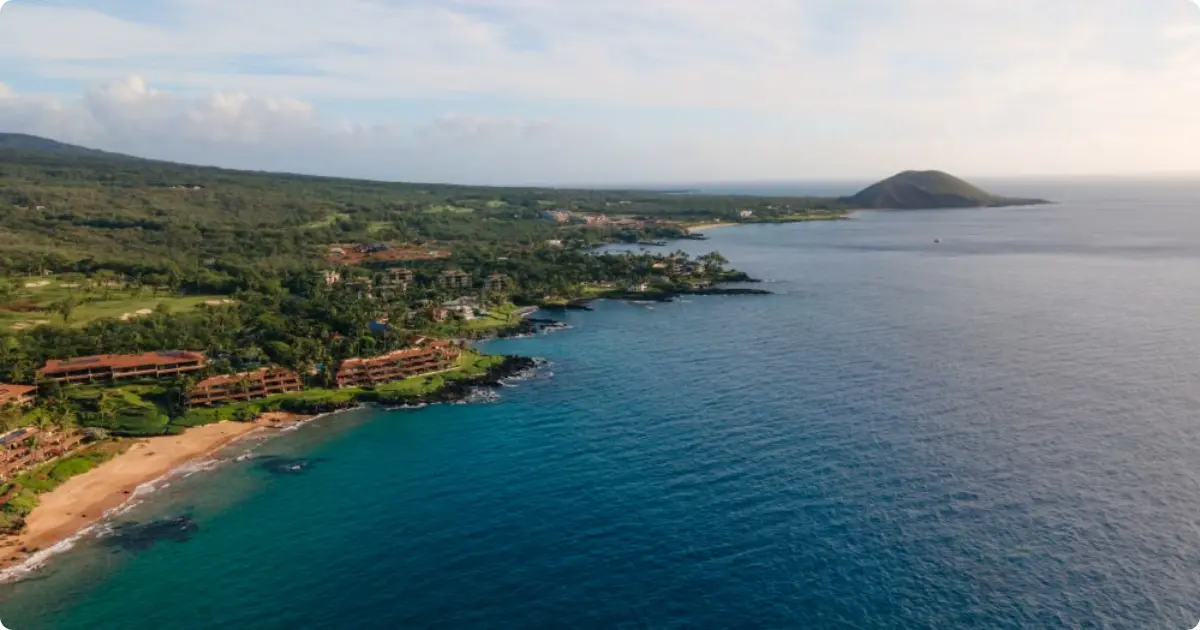

Planning a trip to Maui without a solid activity list is a little like arriving at a feast and going straight for the bread rolls. The island delivers some of the most diverse experiences in the United States within a single afternoon, you can stand above the clouds on a 10,000-foot volcanic summit, snorkel through a submerged crater, and watch humpback whales breach off the shore. The challenge is not finding things to do. It is choosing where to begin.
This guide covers the full spectrum: the iconic natural landmarks, the hidden corners most tourists skip, and the practical details that turn a good Maui trip into an exceptional one. Whether this is your first visit or your third, there is something here worth adding to your itinerary.
What Kind of Traveler Are You in Maui?
Maui rewards different types of visitors in different ways. Adventure seekers will find world-class surfing, challenging hikes, and helicopter routes over inaccessible valleys. Couples will find remote beaches, wine country in the upcountry hills, and sunset luaus on the water. Families have calm snorkeling bays, aquarium visits, and turtle sightings along the shore. And anyone on a budget will discover that some of Maui’s best experiences its beaches, its hikes, its sunrises cost nothing at all.
The sections below are organized by experience type so you can move directly to what matters most for your trip.
The Natural Wonders You Cannot Miss
These are the experiences that define Maui for most visitors and for good reason. They are genuinely unlike anything else in the United States.
Watch the Sunrise from Haleakalā Summit
Haleakalā National Park sits at 10,023 feet above sea level nearly two miles higher than the beaches below. When the sun rises above the cloud layer from this altitude, the effect is otherworldly: a molten horizon appearing beneath a sky that still holds stars. Locals have gathered here for generations to greet the morning, and many still lead a traditional chant to welcome the new day.
A sunrise reservation is required between 3 a.m. and 7 a.m. and should be booked as far in advance as possible through Recreation.gov, as slots fill quickly. If the idea of driving a winding mountain road in the middle of the night sounds daunting, sunset visits require no reservation and are equally stunning. Plan for a 2.5-hour drive from Kīhei, and bring layers temperatures near the summit can drop below freezing regardless of the season.
A National Park pass covers admission. For those willing to camp, Hosmer Grove campground inside the park puts you minutes from the summit without the predawn drive from the coast.
Snorkel Molokini Crater
Molokini is a partially submerged volcanic crater sitting about three miles off Maui’s south shore. The crescent shape shelters a protected lagoon with visibility that can exceed 150 feet on calm days. The marine life inside parrotfish, triggerfish, spinner dolphins, and reef sharks is dense and relatively unfazed by snorkelers.
Most tours depart from Māʻalaea Harbor and take about 30 to 40 minutes to reach the crater. Many operators combine Molokini with a second stop at Turtle Town, a series of lava formations near Mākena where Hawaiian green sea turtles are commonly seen. Morning departures are generally calmer and clearer before afternoon trade winds pick up.
Molokini is not accessible independently a tour boat is the only way in, which also means the experience is well-managed and suitable for all swimming levels.
Drive the Road to Hana
Few drives in the United States have the reputation of the Hana Highway. The 64-mile route from Pāʻia to Hāna follows the island’s northeastern coastline through 620 curves, 59 one-lane bridges, dense rainforest, and a near-continuous succession of waterfalls, black sand beaches, and coastal overlooks. The destination is not Hāna itself it is the journey.
Twin Falls and Pua’a Ka’a State Wayside Park are popular early stops. Further along, Waiʻānapanapa State Park offers the most photographed stretch of coastline on the entire route. Past Hāna, the Kīpahulu District of Haleakalā National Park holds the Pools of ʻOheo and the Pipiwai Trail.
A full day is the minimum. Many experienced visitors spend a night in Hāna and return the next day along the southern route past Kaupō a rougher road that adds spectacular open ranchland and ocean views. If driving feels stressful, guided tours handle navigation and stop selection, though having your own vehicle gives far more flexibility.
Visit Waiʻānapanapa State Park (Black Sand Beach)
The black sand of Waiʻānapanapa comes from basalt volcanic rock ground by the sea into smooth, dark grains that contrast intensely with the turquoise water and the vivid green naupaka shrubs along the bluff. It is one of the most visually striking places in Hawaii, and the photos do not oversell it.
Entry requires an advance reservation through GoStateparks.hawaii.gov, with timed slots available throughout the day. Admission is five dollars per person and ten dollars for parking. There is almost no cell service at the park, so downloading or printing your reservation before arriving is essential.
The coastal trail from the parking area heads north toward sea caves and lava arches along the Pīlani Trail. Walking this stretch in the early morning, before the crowds arrive, is the best way to experience the park.
Swim with Sea Turtles
Hawaiian green sea turtles, known locally as honu, are a protected species and a genuinely common sight in Maui’s waters. Snorkel tours to Turtle Town near Mākena regularly encounter them, and there are shoreline spots particularly around Kāʻanapali and Laniupōhaku where turtles come to rest on the sand or graze on reef algae.
Hawaii law requires staying at least six feet away from sea turtles at all times. This applies in the water and on the beach. The turtles are often unhurried and allow patient snorkelers to observe them naturally without approaching.
Watch Humpback Whales (Seasonal)
Each winter, the Maui Nui Basin becomes one of the most significant humpback whale gathering areas on Earth. Thousands of North Pacific humpbacks travel from Alaskan feeding grounds to Hawaiian waters to mate, calve, and nurse. From December through March, it is possible to see breaching whales from the shore on almost any clear day along Maui’s western coastline.
Whale watching tours operate from Māʻalaea and Lāhainā harbors throughout the season. Early morning tours typically have calmer seas. Large catamarans offer stability; smaller rafts get closer to the water for a more visceral experience. During peak months, swimmers in the water can occasionally hear whale song underwater a remarkable and unrepeatable experience.
If visiting outside whale season, the Pacific Whale Foundation’s Ocean Center in Māʻalaea has informative exhibits on humpback biology and behavior.
Explore ʻĪao Valley State Park
ʻĪao Valley State Park sits in the West Maui Mountains above Wailuku, draped in a level of greenery that feels exaggerated the kind of deep, saturated jungle color usually reserved for film sets. The ʻĪao Needle, a 1,200-foot basalt spire rising from the valley floor, is the park’s defining feature.
The trail system is modest roughly three-quarters of a mile to the main overlook and a short riverside walk below. The park is better experienced as a complement to a Wailuku half-day than as a standalone destination. Note that a timed entry reservation is required for non-residents.
ʻĪao Valley carries deep historical significance. The Battle of Kepaniwai was fought here, a defining conflict in King Kamehameha I’s campaign to unify the Hawaiian Islands. Visiting with that history in mind adds considerably to the experience.
Best Maui Beaches by Experience
| Beach | Best For | Character | Location |
|---|---|---|---|
| Kāʻanapali Beach | Families | Wide, calm, amenity-rich; Black Rock snorkeling at north end | West Maui |
| Makena State Park | Solitude | Remote golden sand, no hotels in sight, sheltered cove | South Maui |
| Honolua Bay | Snorkeling | Marine preserve, dense coral and fish, clear water | North West Maui |
| Baldwin Beach | Sunrise | Unpretentious north shore beach; surfers and locals | North Shore, near Pāʻia |
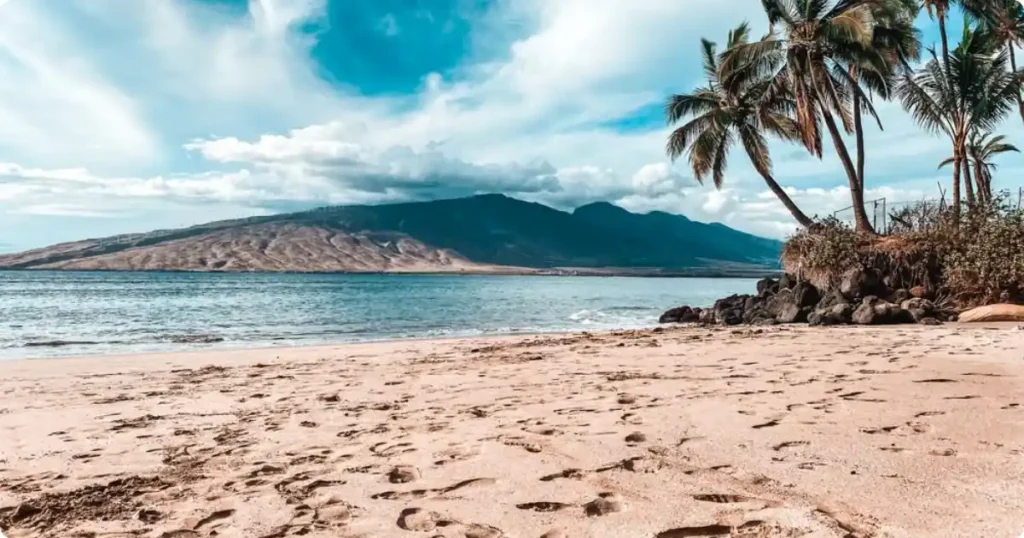
Maui has over 30 miles of beach spanning every character imaginable gentle family-friendly coves, surf-battered north shore breaks, remote golden crescents, and black and red sand shores unlike anything on the US mainland.
Best for Families: Kāʻanapali Beach
Three miles of smooth, wide sand with calm, clear water and easy access from the resort strip make Kāʻanapali the most approachable beach on the island. Black Rock at the northern end is a popular snorkeling spot, where cliff divers regularly jump from the lava outcrop in the tradition of Hawaiian warriors. Amenities, rentals, and restaurants are all within easy walking distance.
Best for Solitude: Makena State Park
Drive past the last resort in Wailea and continue south for about 15 minutes and Makena opens up a broad, wild beach with no hotels in sight and the kind of silence that is increasingly rare in Hawaii. Arriving near sunrise often means near-complete solitude. A low bluff at the northern end leads down to a sheltered cove that offers some of the most peaceful swimming on the island.
Best for Snorkeling: Honolua Bay
Located at the northern end of the West Maui highway, Honolua Bay sits inside a marine preserve where fishing and anchoring are prohibited. The result is coral coverage and fish density that rivals Molokini on a good day. The entry point requires a short walk through trees to reach the water, which keeps casual visitors away. Morning visits in calm conditions deliver the clearest water.
Best for Sunrise: Baldwin Beach
On the north shore near Pāʻia, Baldwin Beach is where local surfers and long-term residents gather for early mornings. The beach is wide and unpretentious, with consistent waves and a park pavilion that draws community gatherings on weekends. It is the kind of beach that feels like Maui rather than a resort brochure.
Top Maui Adventures and Water Activities
Surfing Lessons for All Levels
Maui has a surf culture rooted in the traditions of Hawaiian royalty, and the conditions span every skill level. Beginner lessons run from gentle breaks in Kīhei and Lāhainā waist-high, forgiving waves ideal for first-timers to guided intermediate sessions along the north shore. Most instructors cover water safety, paddling technique, and board positioning before entering the water, and many students catch their first wave within the first session. Experienced surfers looking for something more serious should check conditions at Peʻahi (Jaws), where winter swells produce waves that professionals travel specifically to ride.
Helicopter Tour Over West Maui and Molokai
Much of Maui is inaccessible by road hidden valleys, sheer coastal cliffs, and waterfall-fed ravines that can only be seen from the air. A helicopter tour covering West Maui and the neighboring island of Molokai passes over some of the tallest sea cliffs in the world and reaches waterfalls that have no trail access from below. Pu’uka’oku Falls, visible on the Molokai crossing, drops 2,756 feet into a jungle-green canyon.
Tours depart from Kahului Airport, which makes them a natural fit for the first or last day of a trip. Most companies record the flight and sell the footage afterward. For those comfortable in the air, doors-off options allow unobstructed views and dramatically better photography.
Kayaking the Coastline
Rental kayaks are available at several beach access points, particularly along Kāʻanapali and in Kīhei. Paddling the coastline at a relaxed pace reveals coral formations, sea turtles, and occasional spinner dolphins at a proximity that motorized tours rarely achieve. The calm, protected bays on Maui’s leeward south and west shores make kayaking approachable for most fitness levels, even without prior experience. Morning departures avoid afternoon trade wind chop.
Paddleboarding in Kīhei
Kīhei’s south-facing shoreline sits in the lee of the West Maui Mountains, which shields it from the dominant northeast trades and keeps the water calm through most of the morning. Stand-up paddleboarding here is unhurried a way to cover distance along the coast while staying close enough to the surface to watch fish and turtles below. Rentals are widely available, and no prior experience is necessary to get started.
Deep-Sea Fishing
The waters off Maui’s western and southern coasts hold ahi tuna, mahi-mahi, ono, and marlin throughout the year. Charter boats operate from Māʻalaea and Lāhainā harbors, ranging from shared sportfishing trips for smaller groups to full private charters. The catch is typically kept by the boat, though some operators allow guests to take a portion. Fresh ahi caught in the morning and eaten as poke that evening is an experience that is very difficult to replicate elsewhere.
Hiking in Maui: From Easy Trails to All-Day Treks
| Trail | Difficulty | Distance | Highlight | Location |
|---|---|---|---|---|
| Kāʻanapali Coastal Walk | Easy | 2 miles (paved) | Shoreline views, tide pools, Black Rock | West Maui |
| Waiheʻe Ridge Trail | Moderate | 4 miles round trip | Ridge views, Makamakaole Falls in valley | West Maui Mountains |
| Pipiwai Trail | Moderate | 4 miles round trip | Bamboo forest, Waimoku Falls (400 ft) | Kīpahulu, past Hāna |
| Sliding Sands Trail (Keoneheʻeheʻe) | Strenuous | Full day (variable) | Haleakalā crater interior, cinder cones | Haleakalā Summit District |
Waiheʻe Ridge Trail
The Waiheʻe Ridge Trail is one of the most rewarding moderately difficult hikes on the island and one of the most underrated. The four-mile round-trip route climbs into the West Maui Mountains above Wailuku, passing through native forest and arriving at a ridge with views stretching across the northern coastline and the central isthmus. On clear days, Haleakalā is visible in the distance. A waterfall, Makamakaole Falls, can be seen in the valley below the first major overlook.
The trailhead sits off Waiheʻe Valley Road, far from the resort strip, which means crowds are minimal compared to more publicized hikes. Mornings are typically clearer; cloud cover builds through the afternoon.
Pipiwai Trail
The four-mile round-trip Pipiwai Trail in the Kīpahulu District of Haleakalā National Park is one of the most dramatic hikes in Hawaii. The path moves through a bamboo forest a dense, rustling corridor of towering stalks before opening at Waimoku Falls, a 400-foot cascade dropping from a sheer black cliff face. The trail also passes Makahiku Falls, a 185-foot drop visible from a railed overlook along the way.
The Kīpahulu District lies past Hāna on the Road to Hana route, so most visitors combine it with a full Hāna day. The parking area has limited capacity and fills early on popular days.
Kāʻanapali Coastal Walk
For those who want movement without a serious hike, the paved coastal path connecting the Kāʻanapali resort hotels is a flat, easy walk along a beautiful shoreline. The two-mile stretch passes above rocky coves and tide pools, ends near Black Rock, and works well in the early morning before beach chairs appear. It functions as a pleasant way to orient yourself to West Maui’s main stretch without any planning required.
Sliding Sands Trail (Keoneheʻeheʻe)
The Sliding Sands Trail descends from the Haleakalā summit into the crater itself a high-altitude desert landscape of cinder cones, lava flows, and silence broken only by wind. The trail drops steeply into what feels like the surface of another planet. Day hikers should turn around before fatigue sets in, as every foot of descent must be climbed back out at altitude. The crater interior sits at roughly 9,800 feet, where exertion feels noticeably harder than at sea level.
This is a full-day commitment for anyone planning to reach the far end of the crater. Bring more water than you think you need and dress in layers the summit environment changes quickly.
Unique and Off-the-Beaten-Path Maui Experiences
The Nakalele Blowhole
On the northern tip of West Maui, where the highway narrows and the landscape turns dramatic, the Nakalele Blowhole sends ocean water surging through a lava tube and erupting upward in a column of spray. The short walk from the roadside parking area less than half a mile crosses uneven lava rock and ends at a natural spectacle that most Maui visitors never see. Signage at the site makes clear that the blowhole is not a place to stand close to; the force of the surge is powerful and unpredictable.
Dragon’s Teeth Lava Formation
Near the Kapalua resort area at the northern end of West Maui, a stretch of hardened lava has been carved by wave action into jagged, tooth-like ridges jutting from the shoreline. The formation sits at the edge of a golf course, accessible via a short walking path, and is particularly striking at sunset when the light catches the ridges at low angles. The walk is under a mile round trip and requires no special preparation. It is the kind of find that rewards curiosity over planning.
Stargazing at Haleakalā
At 10,000 feet with minimal light pollution and typically clear skies above the cloud layer, Haleakalā offers some of the best stargazing in the entire country. On moonless nights, the Milky Way is visible with the naked eye. The park allows visitors to remain after sunset without a reservation as long as they arrive before 3 a.m. restrictions begin. Guided stargazing tours operate from the summit area for those who want narrated interpretation of the night sky. Campers at Hosmer Grove have all-night access without any reservation timing concerns.
MauiWine Tasting in Upcountry
In the upcountry Kula region, above the south-facing slopes of Haleakalā at around 2,000 feet elevation, MauiWine has produced wine since 1974. The most distinctive offering is their pineapple wine a local specialty made from Maui-grown pineapples with a sweetness that is lighter and more complex than the name suggests. The tasting room sits inside a 19th-century plantation-era building on the grounds of what was once the Tedeschi Ranch. A visit pairs well with a stop at a Kula farm stand and makes for a quieter, less-trafficked half-day compared to the coastline.
Maui Brewing Company
Based in Kīhei, Maui Brewing Company is the largest craft brewery in Hawaii and a legitimate destination in its own right. The beer garden hosts daily happy hours and regular live music, and the taps rotate through a wide selection that pulls from local ingredients and island culture. It functions as both a good meal stop and a place to decompress after a full day on the water or on a trail.
Things To Do in Maui for Couples
Maui has a natural gravity toward romance the combination of dramatic landscapes, unhurried pace, and warm ocean light makes it one of the most popular honeymoon and anniversary destinations in the country.
A sunrise at Haleakalā, watched above the clouds in near silence, is a shared experience that is genuinely difficult to replicate anywhere else. The Road to Hana driven slowly, with spontaneous stops at hidden waterfalls, rewards couples who prefer discovery over schedules.
For evenings, the Feast at Lele in Lāhainā structures dinner as a journey through Polynesian cultures each course paired with music and dance from a different island nation. It is more intimate than a large luau and more focused on the food. Sunset sailing from Māʻalaea is another evening option, with catamarans running cocktail cruises that include snorkeling during the golden hour.
Upcountry Maui is largely overlooked by couples who stay on the coast. A morning at MauiWine followed by a drive through the Kula lavender fields and a stop at a Makawao bakery makes for a relaxed, distinctly non-resort half-day.
For pure beach indulgence, Makena State Park in the early morning hours minimal crowds, calm water, and the volcanic silhouette of Kahoʻolawe on the horizon is as close to a private beach as Maui offers without a private villa.
Things To Do in Maui for Free
Maui’s most lasting memories frequently cost nothing. The beach is always free. The sunrise from any shoreline vantage point costs nothing. Watching humpback whales breach from the seawall in Kāʻanapali during winter requires no tour booking.
Waiheʻe Ridge Trail, Baldwin Beach, the Kāʻanapali Coastal Walk, and Dragon’s Teeth all have no admission fee. Honolua Bay, one of the best snorkeling locations on the island, requires only a mask and fins. The Friday Town Parties rotating community street gatherings with local food vendors, live music, and artisans move through Wailuku, Lāhainā, Makawao, and Kīhei across the month and are free to attend.
The Maui Gold Pineapple farm stand on the road toward Haleakalā offers samples of fresh-cut pineapple at no charge a small thing, but the quality of a Maui-grown pineapple compared to what most visitors have experienced at home is a genuine surprise.
Sunrise at the Haleakalā summit requires a reservation and a park entry fee, but watching the sunrise from a roadside pullout on the way up below the cloud line, with the colors spreading across the ocean costs only the fuel to get there.
Maui’s Food Scene: What and Where To Eat
Poke and Plate Lunches
The standard by which all Maui food culture is measured, poke in Hawaii bears little resemblance to what most visitors know from mainland restaurants. Here it is hyper-fresh, simply seasoned, and often served the same day the fish came in. Foodland grocery stores a local chain are consistently mentioned alongside dedicated poke shops for quality. The measure of a good poke stop is turnover: busy counters with fish that sells out before afternoon indicate freshness.
Plate lunches are the backbone of everyday local food: two scoops of rice, macaroni salad, and a protein usually kalua pork, chicken katsu, or teriyaki beef. ʻOno Kau Kau and 808 Grindz Café are well-regarded spots that serve the real version rather than a tourist-adapted one.
Food Trucks and Farmers Markets
The Honoapiilani Food Truck Park in Kāʻanapali and the South Maui Gardens in Kīhei both offer rotating lineups of vendors covering tacos, Hawaiian shave ice, bowls, and international street food. The Kula Farmers Market and Maui Swap Meet in Kahului bring together local farms, baked goods, and handmade crafts on weekend mornings.
Maui’s upcountry farmers supply some of the freshest produce in Hawaii Kula onions, strawberries, and hydroponic greens from the cooler elevation above Wailea are a different category from what arrives by barge from the mainland.
Maui’s Small Town Culinary Gems
Pāʻia offers strong lunch options along its short main strip, including Tobi’s for fresh poke and Café Māmbo for a casual meal before or after a north shore beach day. Leoda’s Kitchen and Pie Shop in Olowalu has developed an outsized reputation for its savory pies and banana cream. Komoda Store and Bakery in Makawao a family-run operation that has not changed much since the 1940s sells cream puffs and stick donuts that sell out by mid-morning on busy days.
Maui’s Towns Worth Exploring
Pāʻia
A former sugarcane plantation town turned surf-and-arts community, Pāʻia sits on the north shore near the start of the Hana Highway. The main strip is walkable in 20 minutes, with independent boutiques, galleries, and restaurants squeezed between surf shops and yoga studios. Baldwin Beach is a five-minute drive. Hookipa Beach Park, where windsurfers perform above large ocean swells, is just east of town and worth a stop even for non-surfers.
Makawao
Set in the forested hills of Upcountry Maui at around 1,500 feet, Makawao is cowboy country the center of Hawaii’s paniolo (cowboy) culture, which has roots going back to the early 19th century when Mexican and Spanish vaqueros came to teach cattle ranching. The town now blends that heritage with a thriving arts community. Galleries, glassblowers, and small bakeries share the main street. The Maui Pineapple Tour and MauiWine tasting are both within a short drive.
Wailuku and Kahului
Wailuku is the county seat and the most historically layered of Maui’s towns. The Hale Hoʻikeʻike (Bailey House Museum) holds pre-contact Hawaiian artifacts, photographs, and documents that provide genuine context for what visitors see on the rest of the island. Market Street has been revitalized with independent coffee shops, restaurants, and boutiques in what used to be a largely forgotten downtown. Kahului, directly adjacent, is where the main airport sits and where most visitors arrive it also holds the Maui Ocean Center, a well-designed aquarium focused on Hawaiian marine ecosystems.
Lāhainā
Lāhainā’s history runs deep. It served as the capital of the Hawaiian Kingdom before Honolulu, and its waterfront streets still reflect the whaling-era prosperity that defined the 19th century. The Lāhainā Heritage Museum and the reconstructed whaling ship Carthaginian II offer context for the town’s past. Front Street along the harbor is where most visitors congregate. The 150-year-old banyan tree in the town square, with its aerial roots forming a self-contained forest, is one of the largest in the United States.
Cultural Experiences in Maui
Attend a Traditional Luau
A luau in Hawaii is not a dinner show in the conventional sense it is rooted in a Hawaiian tradition of communal feast and celebration. Two options stand out on Maui for very different reasons. The Old Lāhainā Luau, set on the water at sunset, is consistently regarded as one of the most authentic experiences on the island, with a emphasis on traditional Hawaiian music, chant, and hula that pre-dates Western contact. The Feast at Lele, also in Lāhainā, structures the evening as a multi-course dinner paired with performances from Hawaii, New Zealand, Tahiti, and Samoa smaller and more immersive than a typical buffet luau. Both require advance booking.
ʻĪao Valley and the Battle of Kepaniwai
ʻĪao Valley is not simply a scenic park it is the site of the Battle of Kepaniwai, fought in 1790 as King Kamehameha I’s forces defeated the Maui warriors in a confrontation so decisive that the valley stream reportedly ran red. The Kepaniwai Heritage Gardens nearby commemorate the various cultural groups that shaped Maui’s history, with pavilions representing Hawaiian, Japanese, Chinese, Korean, Filipino, and Portuguese heritage. Understanding this history adds layers to what might otherwise feel like a hike to a green spire.
Maui’s Sugar History
Hawaii’s sugar industry reshaped the demographic and cultural landscape of the islands more than almost any other force in modern history. Laborers brought from Japan, China, Korea, the Philippines, and Portugal created the multicultural food culture and community fabric that visitors encounter today. The Alexander and Baldwin Sugar Museum in Puʻunēnē near the last remaining sugar mill site in Hawaii, which closed in 2016 documents this era with artifacts, photographs, and the machinery of the plantation economy. It is a brief, worthwhile detour for anyone interested in understanding why Maui’s culture feels so distinct from the mainland.
Practical Tips Before You Go
How Many Days Do You Need?
Five to seven days is the range most visitors find optimal. Fewer than five days means the island starts to feel rushed two full travel days eat into what should be a relaxed experience. A week allows time to do the Road to Hana properly, spend a morning at Haleakalā, explore at least two or three different regions of the island, and still have beach days that do not feel squeezed around logistics.
Do You Need a Car?
For any trip that involves more than beach days and resort activities, yes. The Road to Hana, Haleakalā, Waiheʻe Ridge Trail, Makena, Waiʻānapanapa, and most other experiences listed in this guide require a vehicle or a paid tour. Rideshare services are available in the main resort areas but become unreliable in more remote parts of the island. Rental cars should be booked before arrival, as availability on the island itself is frequently limited.
Best Time to Visit Maui
| Season | Months | Conditions | Best For |
|---|---|---|---|
| Winter | December – March | Wettest on windward side; south and west shores mostly sunny | Humpback whale watching |
| Spring | April – May | Rainfall tapering, pleasant temperatures, fewer crowds | Hiking, shoulder season value |
| Summer | June – August | Driest period, calmest ocean; peak crowds and costs | Snorkeling, diving, beach days |
| Fall | September – November | Warm ocean temps, fewer visitors, rain increasing in November | Shoulder season value, water activities |
Maui genuinely has no bad season. That said, the timing of a visit shapes the experience considerably.
Winter (December through March) brings the humpback whale migration to Maui’s waters one of the most spectacular wildlife events in the US. This is also the wettest season on the windward side, though the south and west shores typically remain sunny. Summer (June through August) is the driest period, with calmer ocean conditions ideal for snorkeling and diving, and peak visitor numbers that push prices and crowds to their highest.
Shoulder seasons April through May and September through November offer a meaningful balance: lower costs, fewer crowds, comfortable temperatures, and still-excellent snorkeling conditions. Spring Break week and major US holidays are exceptions to the shoulder season crowd advantage.
Upcountry Maui and the north shore run wetter and cooler year-round than the resort corridors, which is worth keeping in mind when planning hiking days.
Final Verdict
Maui earns its reputation not through any single landmark but through the sheer breadth of what it offers within a compact island. The experiences that tend to stay with visitors longest are the ones that feel genuinely singular: standing above the clouds at Haleakalā at dawn, watching a humpback breach offshore, navigating the Hana Highway at a pace that allows for spontaneous stops, or swimming alongside a sea turtle in water so clear it looks artificial.
The island works best when treated as a place to engage with rather than simply consume. Arriving with a rough plan two or three anchor experiences per day, with open space in between allows for the kind of unplanned encounters that Maui is particularly good at producing.
Whether a trip centers on adventure, relaxation, culture, food, or some combination of all of them, Maui delivers without requiring a visitor to choose only one.
