
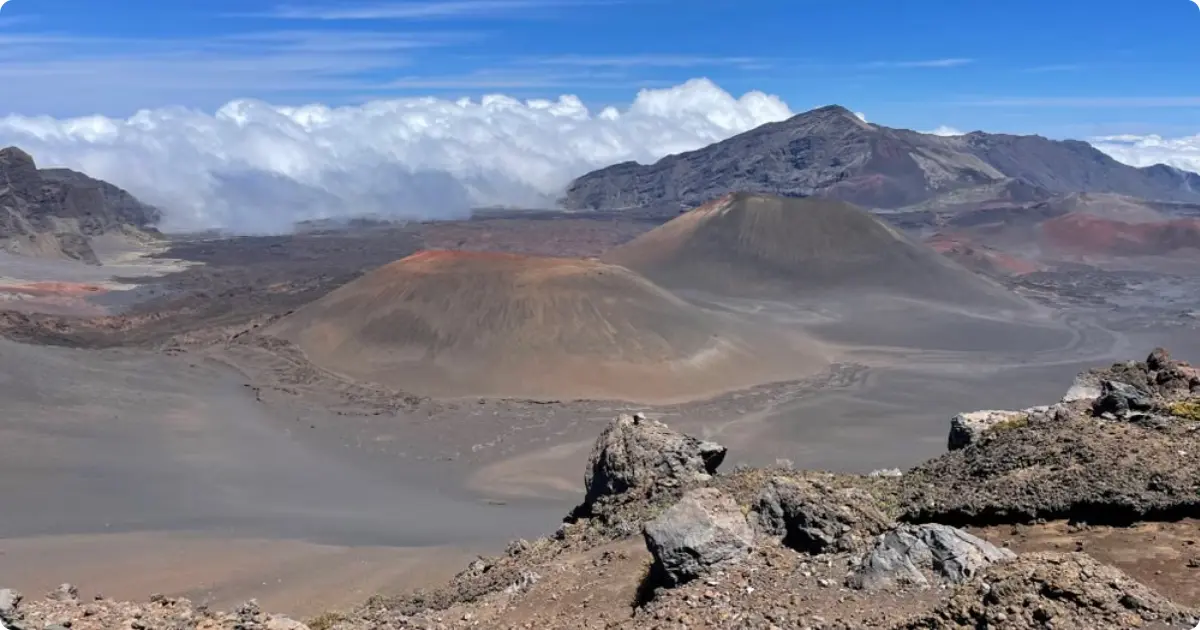

Maui has no shortage of unforgettable experiences, but few match watching the sun rise from the summit of Haleakala. You are standing at 10,023 feet above sea level, wrapped in cold air, watching light push through a landscape that feels more like another planet than a Hawaiian island. It is the kind of moment that stays with you.
Getting there, however, takes real planning. The drive is long, the temperatures are extreme, and without a reservation you cannot enter the park before sunrise at all. This guide covers everything you need to know from booking your spot to choosing the best viewpoint so the only surprise on the day is how breathtaking it actually is.
Why the Haleakala Sunrise Belongs on Your Maui Itinerary
Haleakala, whose name translates to “house of the sun,” is a dormant shield volcano that forms the eastern bulk of Maui. Its summit sits above most of the island’s weather systems, which means you are often watching the sky ignite while clouds fill the valley below you. On a clear morning, you can see the Big Island on the horizon.
The experience is genuinely one of a kind. Mark Twain wrote about witnessing it in the 1800s, calling it the sublimest spectacle he had ever seen. The National Park Service protects this summit for good reason it is one of the darkest and cleanest sky environments remaining in the Hawaiian Islands.
It is also logistically demanding enough that many visitors either skip it entirely or show up unprepared. The reward for planning ahead is a version of this experience that is relaxed, well-positioned, and worth every dark early morning minute.
How to Get Your Haleakala Sunrise Reservation
A reservation is required for every vehicle entering Haleakala National Park between 3:00 a.m. and 7:00 a.m. This applies year-round, without exception. Showing up without one means you will be turned away at the gate.
Reservations are booked per vehicle, not per person, and cost a $1 service fee on top of the separate park entrance fee.
When Reservations Open and How to Book
Tickets are available through Recreation.gov. The booking window opens exactly 60 days before your desired sunrise date, at 7:00 a.m. Hawaii Standard Time. Popular dates weekends, holidays, and peak travel periods can sell out within minutes of opening.
To avoid losing your spot, create your Recreation.gov account before the window opens. On the morning your date becomes available, log in, navigate to the Haleakala Sunrise reservation page, and proceed directly to checkout. Each person may purchase only one reservation per three-day period.
The park entrance fee is separate and can be paid in advance through Recreation.gov’s site pass system, which saves time at the gate. The park does not accept cash.
What If You Miss the 60-Day Window?
Do not give up. A smaller batch of reservations is released two days 48 hours before each sunrise date, again at 7:00 a.m. HST. These go quickly too, but they are a genuine second chance. Keep the Recreation.gov page ready and refresh at exactly 7:00 a.m. on the two-day mark.
There is no first-come, first-served option. Calling the park directly will not result in a reservation. The only path is Recreation.gov.
What to Bring to the Entrance Gate
When you arrive, the reservation holder must be present with a valid photo ID matching the name on the confirmation. Have the confirmation email accessible on your phone. Rangers will check both.
Planning the Drive to the Haleakala Summit
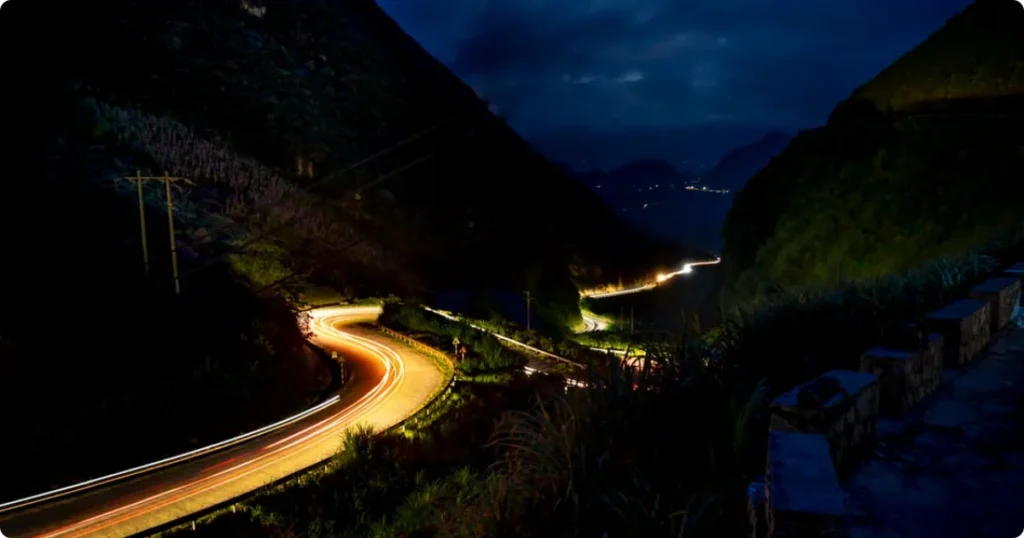
The logistics of the drive are where many visitors underestimate this experience. It is not complicated, but it requires precise timing and a clear head in the middle of the night.
How Long Does It Take to Drive Up Haleakala?
Once you enter the park, the drive from the entrance gate to the summit takes approximately 30 minutes. The road winds steadily upward through switchbacks, passing through several microclimates as you ascend.
From most resort areas on Maui including Kaanapali, Wailea, and Kihei plan on roughly 1.5 to 2 hours of total drive time to reach the summit parking area. Use Google Maps the evening before to check the exact driving time from your specific accommodation.
What Time Should You Leave Your Hotel?
This calculation depends on two things: the time of sunrise on your chosen day and where you want to be standing when it happens.
Start by checking the exact sunrise time for Maui. The time varies significantly throughout the year and can range from around 5:45 a.m. to nearly 7:00 a.m. depending on the season.
Most visitors aim to arrive at the summit at least 30 to 45 minutes before sunrise. If you want to be there for the full pre-dawn experience watching the sky turn from black to deep blue to orange plan to arrive 60 to 90 minutes before the official sunrise time. The early arrivals claim the best rail positions for photos and have time to settle in before the crowd builds.
Work backward from your target arrival time: add your hotel-to-summit drive time, a 10-minute buffer for the entrance gate, and 15 minutes to park and walk to the overlook. That is your wake-up time.
Pack snacks and coffee the night before. Nothing is open near the park at that hour, and the visitors’ centers may not open until after sunrise.
What to Expect on the Road
The road to the summit has no streetlights and no guardrails on many sections. The switchbacks are manageable at a reasonable speed, but the darkness and elevation change require full attention. Motion sickness is a real concern for some passengers the road is continuous curves for nearly 40 miles from sea level to summit.
Speed limits inside the park exist to protect endangered species habitat. Follow them.
Fuel up before you leave. There are no gas stations inside the park or near the entrance.
Where to Watch the Sunrise at Haleakala
| Overlook | Elevation | Best For | Crowd Level |
|---|---|---|---|
| Summit Overlook (Pu’u ‘Ula’ula) | 10,023 ft | 360-degree panorama, crater and island views | Most crowded |
| Kalahaku Overlook | ~9,324 ft | Crater floor views, silversword plants | Less crowded |
| Leleiwi Overlook | ~8,800 ft | Quieter experience, Brocken spectre conditions | Least crowded |
The park has multiple overlooks within the Summit District, each offering a different perspective on the sunrise. Reservations cover all four elevated parking areas, so you have options.
Summit Overlook (Pu’u ‘Ula’ula)
The highest point accessible by road, the summit overlook at Pu’u ‘Ula’ula sits at 10,023 feet. This is the most popular viewing spot and the one most visitors make for first. On a clear morning, the 360-degree panorama includes the crater below, the West Maui Mountains, and the neighboring islands.
Arrive early to secure a spot at the observation deck railing. The area fills quickly, and latecomers are left viewing from the back.
Kalahaku Overlook
Located slightly below the summit at around 9,324 feet, Kalahaku offers an excellent view of the crater floor and is a strong choice for anyone who finds the summit too crowded. It is also one of the best spots to see silversword plants a rare species found almost nowhere else on Earth.
Leleiwi Overlook
Leleiwi sits at roughly 8,800 feet and provides a more contemplative experience. The NPS specifically recommends it for visitors who prefer a quieter, less crowded sunrise. On mornings with the right cloud conditions, the Brocken spectre phenomenon a magnified shadow of yourself projected onto cloud below can appear here.
What to Wear and Pack for the Haleakala Sunrise
This is the part that surprises visitors who have been spending their days in Maui’s beach warmth. When you leave your hotel, it may be 75°F or warmer at sea level. When you step out of your car at the summit, it will often be in the 30s Fahrenheit and with wind, it feels colder.
Dress in proper winter layers, not beach coverups. A base layer, a fleece or insulated mid-layer, and a windproof outer shell are the practical minimum. Add a warm hat, gloves, and thick socks. A blanket or wrap to stand in while you wait is not an overreaction.
You will be standing still, outdoors, in the dark, for up to an hour before the sun appears. The cold accumulates.
Additional items to pack:
- Water. The elevation change from sea level to 10,000 feet in roughly 40 miles can cause altitude-related fatigue and headaches. Staying hydrated helps.
- Snacks. The park has no food concessions.
- Headlamp or phone flashlight. The parking areas and paths are not lit before dawn.
- Motion sickness medication if you are prone to it, taken before you leave your hotel.
- Camera with a fully charged battery. Cold temperatures drain batteries faster than normal.
- National Parks Passport if you collect stamps the visitors’ center opens after sunrise.
Weather, Clouds, and Managing Your Expectations
The sunrise at Haleakala is a natural event. Clouds, fog, and rain can and do obscure it, and reservations are non-refundable regardless of conditions.
The good news is that the summit sits above the cloud line most of the time. From below, the mountain may look completely socked in, but once you are above 9,000 feet you may break into clear sky entirely. The reverse is also true conditions can shift significantly in the final 30 minutes before sunrise.
Summer months roughly May through September statistically offer better clear-sky odds at the summit, though no month guarantees a perfect morning. Winter mornings bring a higher chance of cloud cover and stronger winds.
A few practical points on weather:
- Check the summit forecast specifically, not just the general Maui forecast. The NPS weather page and dedicated summit weather tools give a more accurate picture.
- Even a partially cloudy morning produces dramatic color and light effects. A completely overcast summit is rare, and what many people describe as a “cloudy” sunrise still involves striking sky conditions above the crater.
- If you visit for multiple days, consider booking one weekday and one backup date if reservations allow. Weather variability is part of the experience.
Haleakala Sunrise Tours vs. Going on Your Own
| Factor | Going on Your Own | Guided Tour |
|---|---|---|
| Reservation required | Yes — booked via Recreation.gov | Handled by tour operator |
| Driving | Self-driven mountain road at night | Hotel pickup and transport included |
| Flexibility | Full — arrive early, stay to hike, leave anytime | Group schedule only |
| Refund if weather is poor | No refund on reservation ($1 fee) | No refund on tour cost |
| Commentary | None | Guide narration included |
| Best suited for | Independent travelers, most visitors | Non-drivers, solo travelers, bike descent packages |
Guided sunrise tours pick you up at your hotel, handle the driving, and include commentary from a guide. Some include breakfast. The tradeoff is cost, group timing, and no refund if conditions are poor.
For most independent travelers, driving up on your own is the better option. The reservation system ensures you have a parking spot, the road is well-marked, and the drive itself while long in the dark is part of the experience. It also gives you complete flexibility: you can stay longer to hike, arrive earlier to get the best viewpoint, or leave immediately if the weather is poor.
Guided tours make sense in specific situations: if you are not comfortable driving an unfamiliar mountain road at night, if you are traveling solo and want companionship, or if the tour package includes elements like a bike descent that are genuinely hard to replicate independently.
If you do look into tours, check whether the operator holds a National Park Service concession permit, which is required for commercial operations within Haleakala.
What to Do After the Sunrise
Most visitors head down the mountain after the sunrise, but the park has more to offer in the hours that follow.
Hike into the crater. The Sliding Sands Trail (Keoneheʻeheʻe Trail) descends from the summit area into the volcanic crater floor. The first half-mile gives you a striking overlook of the crater’s scale and texture. The full trail is 11 miles and requires a full day and good physical preparation. Bring far more water than you think you need — the crater environment is dry and exposure is high.
Visit the summit visitors’ center. It opens after sunrise and provides context on the geology, ecology, and cultural significance of the mountain. The silversword plants visible near the visitor center area are found only on Haleakala and one other Hawaiian peak.
Stop in Makawao or Kula on the way down. The upcountry towns between Haleakala and the resort coast are charming and relatively uncrowded in the morning. Local bakeries and breakfast spots in this area are a well-earned reward for the early start.
Frequently Asked Questions
Is the Haleakala sunrise worth it? For most visitors, yes. The combination of extreme elevation, volcanic landscape, and the quality of light at sunrise creates something genuinely unlike any other experience on Maui. The logistics require planning, but that planning is straightforward once you understand the reservation system and drive requirements. Visitors who arrive prepared consistently describe it as the highlight of their trip.
Where is the best place to watch the sunrise on Haleakala? The summit overlook at Pu’u ‘Ula’ula offers the highest and most panoramic view. For a less crowded experience, Kalahaku and Leleiwi overlooks provide excellent alternatives. All are accessible with a valid sunrise reservation during the 3:00 a.m. to 7:00 a.m. window.
How long does the Haleakala sunrise hike take? No hiking is required to watch the sunrise. The overlooks are a short walk from the parking areas. If you want to hike after sunrise, the first half-mile of the Sliding Sands Trail takes around 20 to 30 minutes. The full trail is a full-day commitment of 11 miles.
What time does sunrise happen at Haleakala? Sunrise times vary throughout the year. Check the exact time for your visit using a dedicated sunrise time tool set to Maui, Hawaii. Times can range from roughly 5:45 a.m. to nearly 7:00 a.m. depending on the time of year.
Can you do a day trip to Haleakala National Park just for the sunrise? Yes. The sunrise is contained to the early morning hours, and most visitors return to their accommodations or continue to another Maui destination by mid-morning. A day trip structured around the sunrise is the standard way most visitors experience it.
Final Verdict
The Haleakala sunrise earns its reputation. Standing at 10,023 feet above sea level, watching light emerge over a volcanic crater while clouds fill the valley below, is a rare and legitimately moving experience. It is also one of the most logistically demanding activities on Maui which is exactly why so many visitors either skip it or arrive under-prepared.
The difference between a frustrating morning and an extraordinary one comes down almost entirely to planning: securing the reservation at the 60-day window, timing the drive correctly, dressing for true cold, and setting realistic expectations about weather. Do those things, and Haleakala delivers exactly what it promises.
For most Maui visitors, this is the one experience worth setting an alarm for at 2:00 a.m.
