
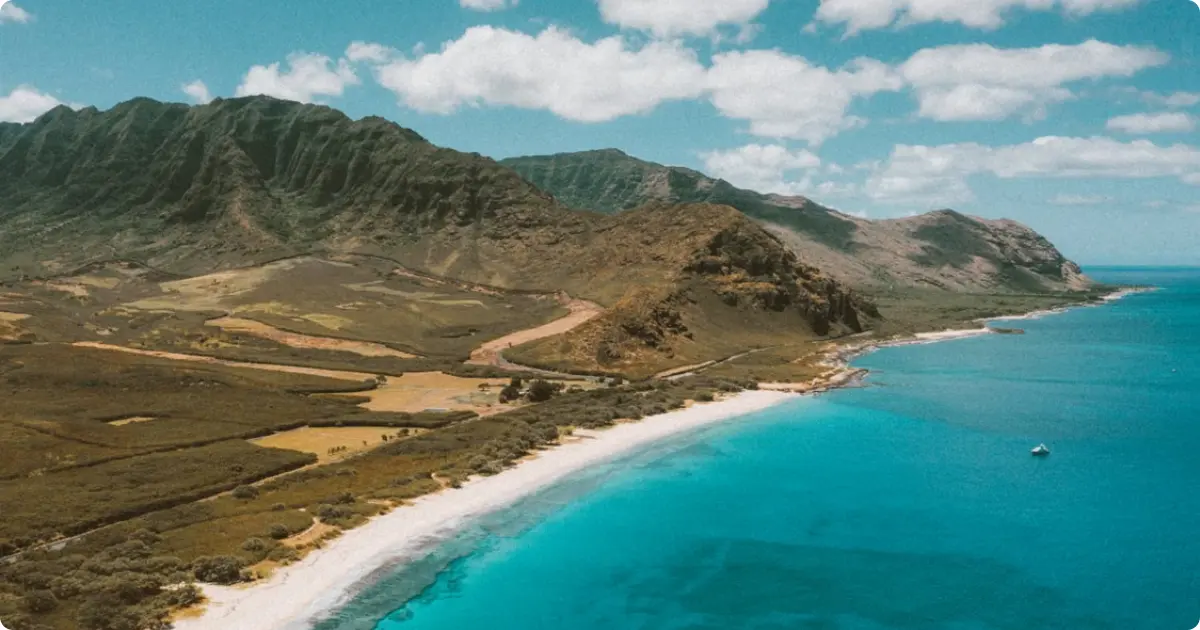

Most visitors to Oahu spend their first few days in Waikiki wondering what all the fuss is about. The beach is beautiful, sure, but the crowds are thick, the strip is loud, and the whole thing starts to feel more like a tropical shopping mall than a Hawaiian island.
Then they rent a car and drive north. Or east. Or stop at a trailhead on a whim. And suddenly Oahu makes complete sense.
This island holds more variety than any other in the Hawaiian chain dense city energy, empty windward beaches, legendary surf breaks, ancient fishponds, jungle waterfalls, and some of the most significant historical sites in the Pacific. The visitors who leave disappointed are almost always the ones who stayed too close to the hotel. The ones who explore come home booking return flights.
This guide covers things to do in Oahu across every corner of the island, for every type of traveler whether you have three days or two weeks, a rental car or none, kids in tow or a couple looking for something memorable.
What Makes Oahu Different From Every Other Hawaiian Island
Oahu is the third-largest Hawaiian island but home to roughly 70 percent of the state’s population. Honolulu, the state capital, sits on its south shore a real city with skyscrapers, traffic, a thriving restaurant scene, and an international airport that serves as the gateway for most Hawaii trips.
That urban layer is what separates Oahu from its neighbors. Maui has more dramatic coastline. Kauai has deeper wilderness. The Big Island has active volcanoes. But Oahu is the only island where you can eat a world-class omakase dinner, watch Pipeline surfers from the sand the next morning, and hike to a WWII-era pillbox overlooking turquoise water all in the same trip.
The misconception that gets people into trouble is treating Oahu as a beach-only destination and measuring it against Maui. They are simply different experiences. Oahu rewards exploration in a way that no other Hawaiian island does. The more of it you see, the better it gets.
The Four Sides of Oahu What Each One Offers
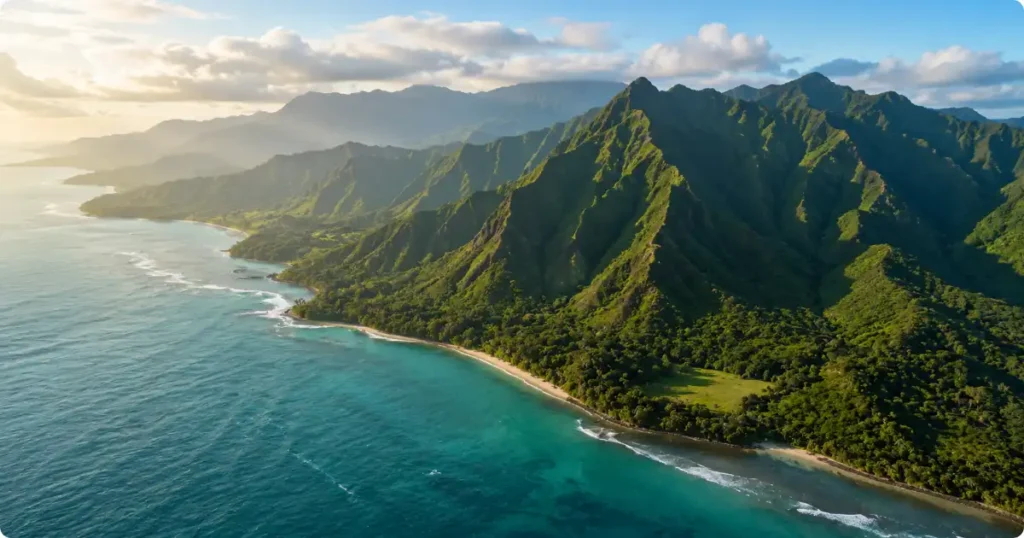
Oahu is roughly divided into four coastal zones, each with its own personality. Understanding the layout before you arrive saves a lot of backtracking and helps you group activities intelligently.
South Shore: Honolulu and Waikiki
The south shore is the most developed part of the island. Waikiki sits within Honolulu and draws the bulk of the island’s visitors its long crescent of sand, lined with hotels and restaurants, is genuinely beautiful even if it is perpetually crowded.
East of Waikiki, Diamond Head Crater rises from the shoreline. West of it, the urban neighborhoods of Kaka’ako and Chinatown offer a completely different side of Honolulu. Ala Moana Beach Park provides a less-crowded alternative to Waikiki for swimming, and the Bishop Museum one of the finest cultural institutions in the Pacific sits a short drive inland.
The south shore is the right base for most visitors. Almost everything is accessible from here, and it has the island’s best concentration of restaurants, shops, and services.
Windward Coast: Green Mountains and Hidden Beaches
Drive east from Honolulu and you cross the Ko’olau Mountain Range through the Pali Highway, emerging onto the windward coast a stretch of shoreline where ridged green mountains drop almost straight into the sea. The contrast with Honolulu is immediate and striking.
The windward side is where you find places like Kailua Beach, Lanikai, the Ho’omaluhia Botanical Garden, and Kualoa Ranch. It rains more here than on the south shore, which is why the vegetation is so extraordinarily lush. The towns are quieter, the beaches are less crowded, and the scenery is consistently beautiful.
North Shore: Surf Culture and Wide Open Roads
The North Shore is Oahu’s most famous stretch of coastline a seventeen-mile run of beaches that hosts the world’s biggest surfable waves in winter. Between November and February, swells at breaks like Banzai Pipeline and Sunset Beach regularly exceed twenty feet, drawing the best professional surfers on the planet.
Outside of surf season, the North Shore becomes a quieter, deeply relaxed place. Haleiwa is the main town a former plantation village that has reinvented itself as a hub for food trucks, shave ice shops, boutiques, and surf culture. The drive from Honolulu to the North Shore, especially along the windward coast, is one of the most scenic road trips in the United States.
Leeward Coast: Quieter Waters and Local Life
The leeward side Oahu’s west coast is the least visited by tourists and has a different character from the rest of the island. The Ko Olina resort area anchors its southern end, offering calm, manufactured lagoons that are well-suited to families and non-swimmers. Further north, the landscape becomes drier and more rugged, with beaches that see far fewer visitors and a strong local community.
Electric Beach, near the Kahe Power Plant, is considered one of Oahu’s best snorkeling spots because warm water discharge from the plant attracts large numbers of fish and sea turtles. It is an unusual and genuinely rewarding stop.
Things to Do in Oahu for First-Timers
If this is your first visit, a handful of experiences are essentially non-negotiable. They became iconic because they are genuinely exceptional not because of marketing.
Diamond Head Crater Hike
The hike inside Diamond Head State Monument is one of the most satisfying short hikes in all of Hawaii. The trail winds through the interior of an extinct volcanic crater, climbing through tunnels, up steel staircases, and out onto a summit lookout with a sweeping view of Waikiki and the Pacific coastline.
The round trip is roughly 1.6 miles and takes most people about an hour. It is accessible to older children and reasonably fit adults, though the staircase sections require some effort. Arrive early parking fills quickly, and the heat inside the crater intensifies as the morning progresses. Reservations are required and must be made in advance through the Hawaii State Parks website.
Pearl Harbor National Memorial
Pearl Harbor is among the most important historical sites in the United States. The USS Arizona Memorial, which sits above the sunken battleship, is genuinely moving the ship itself remains visible below the water’s surface and serves as the final resting place for more than 1,100 sailors and Marines.
The memorial is managed by the National Park Service and admission to the primary visitor center is free. The boat ride to the Arizona Memorial is also free but requires a timed entry pass, which should be reserved well in advance as they regularly sell out. Additional paid experiences including tours of the USS Missouri battleship and the Pacific Aviation Museum are worth the time if your schedule allows.
Hanauma Bay Nature Preserve
Hanauma Bay is a protected marine sanctuary set inside the collapsed cone of an ancient volcano. Snorkeling here puts you directly above one of the most accessible coral reef ecosystems on the island, with sea turtles, tropical fish, and healthy coral within reach of even casual swimmers.
Entry is limited and reservations must be made online in advance. The preserve requires visitors to watch a brief educational video before entering the water a genuine effort to protect the reef from the damage that unregulated mass tourism caused in earlier decades. Go on a weekday morning for the best conditions and the fewest crowds.
Waikiki Beach and Kalakaua Avenue
Waikiki deserves more credit than it typically gets from experienced travelers. Yes, it is crowded and commercial. It is also one of the few places on earth where you can learn to surf on a warm, gentle break, rent an outrigger canoe, watch the sun set behind the Wai’anae Mountains, and then walk to a genuinely excellent dinner. The Duke Kahanamoku Statue, the historic Moana Surfrider hotel, and the open-air energy of Kalakaua Avenue are worth at least a slow afternoon.
The best way to experience Waikiki is to arrive early, before the beach chairs go up, and leave before the midday heat peaks. Return in the evening when the light is soft and the strip takes on a different energy entirely.
Things to Do in Oahu Beyond the Tourist Trail
The best version of an Oahu trip always moves beyond the well-worn circuit. These are the places that separate a memorable trip from a forgettable one.
Lanikai Pillbox Hike
The Lanikai Pillbox hike starts at the top of a residential street in the quiet Kailua neighborhood and climbs to a pair of WWII-era military bunkers perched on the ridge above the windward coast. The views from the top the Mokulua Islands below, the Ko’olau Mountains behind, the long sweep of Lanikai Beach are among the most photographed in Hawaii, and for good reason.
The hike is short, roughly a mile round trip, but steep and sometimes slippery. Wear proper footwear. Sunrise visits are especially popular, when the light hitting the Mokulua Islands is exceptional and the trail is relatively uncrowded.
Ho’omaluhia Botanical Garden
This 400-acre botanical garden in Kaneohe is free to enter and strikingly beautiful. The Ko’olau Mountain Range forms a dramatic green wall behind the garden’s central reservoir, creating a landscape that looks more like a film set than a public park.
Ho’omaluhia is one of the most peaceful places on the island. It rewards slow exploration bring walking shoes and a few hours. The garden closes in the afternoon, so plan an early or midday visit. Camping is also available by permit for those who want to stay overnight inside the garden.
Kualoa Ranch
Kualoa Ranch is a working cattle ranch on the windward coast that has served as a filming location for dozens of major productions Jurassic Park, Jurassic World, Lost, Hawaii Five-O, and many others. The valley where the ranch sits is extraordinary, ringed by ridgeline peaks that look like something from a fantasy novel.
Tours here book out weeks in advance, particularly the ATV and movie site experiences. If Kualoa Ranch is on your list, secure your reservation as soon as your travel dates are confirmed. Secret Island Beach a private beach accessible only through the ranch is one of the most beautiful spots on Oahu.
Kaka’ako Murals and Chinatown
Two Honolulu neighborhoods deserve far more attention than they typically receive from visitors.
Kaka’ako, between Ala Moana and downtown, is covered in large-scale murals created by artists from around the world through the Pow! Wow! street art festival. The murals cover entire building facades and transform a formerly industrial neighborhood into an open-air gallery. Walking the streets here on foot takes about an hour and makes for exceptional photography.
Chinatown, just west of downtown, is one of Honolulu’s oldest neighborhoods and one of its most interesting. The market halls, lei shops, vintage stores, and diverse restaurants clustered around Hotel Street and Maunakea Street give you a version of Honolulu that most visitors never encounter. The Foster Botanical Garden, tucked into the edge of the neighborhood, is another underrated free stop.
Things to Do in Oahu for Couples
Oahu has a natural romantic quality that the crowds in Waikiki can obscure but step away from the main strip and it becomes easy to find again.
A sunset cruise from Waikiki is one of the island’s most reliably beautiful experiences. Watched from the water, Diamond Head glows amber in the late afternoon light, and the Honolulu skyline seen from offshore looks like nowhere else on earth. Friday evenings often include the Hilton Hawaiian Village fireworks show, visible from the water.
The drive up the windward coast to Kailua is particularly well-suited to couples. Kailua Beach is one of the finest stretches of sand in Hawaii wide, calm, and far less crowded than anything in Waikiki. Spend a morning here, then kayak to the Mokulua Islands offshore, where you can snorkel, explore lava formations, and find stretches of beach that feel entirely private.
For evenings, Haleiwa on the North Shore has a handful of restaurants worth the drive the combination of open sky, warm air, and the unhurried pace of the town creates something that is difficult to find in Waikiki. The Tantalus Drive overlook above Honolulu, winding through the forest above the city, is worth doing at dusk for a different perspective on the place.
Things to Do in Oahu with Kids
Oahu is genuinely excellent for families, partly because its range of activities means children of different ages and temperaments can all find something engaging.
The Waikiki Aquarium, one of the oldest aquariums in the United States, is small but well-curated and sits directly on the water at the edge of Kapiolani Park manageable even with young children and a good way to introduce them to Hawaii’s marine life before they go snorkeling. Kapiolani Park itself is worth an afternoon: wide lawns, shady banyan trees, and the Honolulu Zoo on one end.
Parasailing from the Waikiki marina is popular with older children and teenagers — the flights are short but the aerial view of Diamond Head and the coastline is memorable. For something more immersive, the Kualoa Ranch Secret Island package combines beach access, kayaking, and paddleboarding in a protected setting.
The Dole Plantation near Wahiawa is a classic family stop on the drive to the North Shore. The pineapple maze, garden tours, and most importantly the Dole Whip frozen dessert make it a reliable crowd-pleaser for younger children. Pearl Harbor is appropriate for older children and teenagers, and the educational weight of the visit often leaves a genuine impression.
Hanauma Bay is ideal for family snorkeling because the water inside the bay is calm, shallow in many areas, and teeming with fish. Bring your own snorkel gear if possible to avoid rental queues.
Things to Do in Oahu for Free
A well-planned Oahu trip does not have to be expensive. Many of the island’s best experiences cost nothing at all.
The Kuhio Beach Hula Mound in Waikiki hosts free hula performances on Tuesday, Thursday, and Saturday evenings, with local halau hula groups performing traditional and contemporary hula in an open-air setting. This is a far more authentic and meaningful experience than most paid luau shows.
The Bishop Museum grounds include a planetarium and the Hawaii Sports Hall of Fame, but even spending time in the main building’s galleries which hold the most significant collection of Hawaiian and Pacific cultural artifacts in the world — is transformative. Some exhibits require admission, but the museum runs regular free community days.
Hiking is one of the best free activities on the island. Beyond Diamond Head, the Makapu’u Lighthouse Trail on the windward coast is a paved, accessible path with panoramic views. The Aiea Loop Trail in the mountains above Pearl Harbor offers a very different landscape forested ridges and quiet valleys. Waimea Valley botanical garden charges admission, but the drive along the North Shore past Sunset Beach and Ehukai Beach costs nothing and takes you past some of the most famous surf breaks in the world.
Ho’omaluhia Botanical Garden remains free. The beaches all of them, including Lanikai and Kailua — are free. Watching the sunrise from the Lanikai Pillboxes costs nothing but an early alarm.
North Shore Oahu: A Full Day Worth Planning
A full day on the North Shore deserves careful planning because it is the single most popular day trip on the island and the road through Haleiwa becomes congested later in the morning.
Leave Honolulu by 7 a.m. The most scenic route follows the windward coast Highway 83 north through Kailua and Kaneohe, passing Kualoa Ranch, La’ie Point, and Kahana Bay before hitting the North Shore near Turtle Bay. This route adds time but the scenery makes it worth it.
Stop at Sunset Beach first. In winter, this is where you come to watch elite surfers. In summer, the water calms and the wide beach is excellent for swimming. Ehukai Beach Park — home to the Banzai Pipeline is a short walk away and worth visiting regardless of surf conditions.
Haleiwa town anchors the social life of the North Shore. Giovanni’s shrimp trucks are a legitimate institution the garlic shrimp is particularly well-regarded. Matsumoto’s Shave Ice has been serving since the 1950s and the lines, while long, move quickly. The Sunrise Shack acai bowls are photogenic and genuinely good.
Waimea Valley, just outside Haleiwa, combines a botanical garden with a short walk to a swimming waterfall. Life vests are provided at the waterfall for swimmers. It costs money to enter, but the garden is one of the most beautiful spots on the island and the waterfall is a legitimate payoff.
The return drive through the middle of the island via the Kamehameha Highway is faster and passes the Dole Plantation if you want to make a stop.
Honolulu Things to Do Beyond the Beach
Honolulu rewards visitors who treat it as a city, not just a resort. The following are worth including in any itinerary with a few flexible hours.
The Bishop Museum is the single most informative stop on the island for understanding Hawaii’s history, culture, and place in the Pacific. The main Hawaiian Hall is an extraordinary space three stories of artifacts, exhibits, and objects that span centuries of Polynesian history. Allow two to three hours minimum.
Iolani Palace, in the heart of downtown, is the only royal palace on American soil. Built in 1882, it served as the official residence of the Hawaiian monarchs until the overthrow of the kingdom in 1893. Guided and audio tours are available and provide essential context for understanding modern Hawaii’s complex relationship with its past.
The Hawaii State Capitol, directly across from the Palace, is architecturally remarkable designed in the shape of a volcano, with open-air legislative chambers intended to evoke the relationship between the land and its people. The interior is accessible during business hours.
Ala Moana Beach Park, a long stretch of flat sand and shallow water just west of Waikiki, is where many Honolulu residents actually swim. It is less crowded than Waikiki and offers a better view of the city skyline with Diamond Head in the background.
Getting Around Oahu: Car vs. No Car
This question comes up constantly and the honest answer is: it depends on your itinerary.
If your trip is focused on Waikiki, with a few organized tours and no plan to drive the North Shore independently, you can absolutely manage without a rental car. Ride-share services operate across the island, the Waikiki Trolley covers the main tourist circuit, and TheBus Oahu’s public transit system connects Honolulu to most major destinations including the North Shore, though journey times are long.
If you want to explore the windward coast, spend a day on the North Shore at your own pace, or reach beaches like Lanikai and Kailua without paying for multiple car shares, a rental car is the right choice. Oahu is a small island and driving end to end takes less than two hours under normal conditions. With a car, the island becomes fully accessible.
One practical note: parking in Waikiki is expensive and sometimes difficult. If you stay in Waikiki and rent a car, budget for daily parking at your hotel or factor in the cost of nearby lots. Many visitors find it convenient to rent a car for specific day trips rather than for the full duration of their stay.
Honolulu has some of the worst traffic in the United States. Avoid driving into or out of the city during weekday rush hours, and check conditions before heading to the North Shore on weekends when the highway becomes congested.
Best Place to Stay in Oahu for Your Trip Style
| Area | Best For | Car Needed | Key Tradeoff |
|---|---|---|---|
| Waikiki | First-timers, couples, families, solo travelers | Optional | Higher prices, crowd density |
| Kailua | Travelers wanting a quieter, more local experience | Yes | Farther from Honolulu attractions |
| Ko Olina | Families with young children, resort-focused stays | Yes | Far from most major attractions |
| North Shore | Surfers, travelers using North Shore as a base | Yes | About an hour from Honolulu |
Where you stay on Oahu shapes everything else about the experience, including how easy it is to get around and which activities are naturally within reach.
Waikiki is the default for a reason. It concentrates restaurants, nightlife, surf lessons, boat tours, and shopping within walking distance. The beach is excellent. It suits first-timers, couples, families, and solo travelers who want the easiest possible access to the island’s most popular experiences. The tradeoff is price and crowd density.
Kailua is the best alternative for travelers who want a quieter, more local experience while still being within driving distance of Honolulu’s attractions. The town has good independent restaurants, a relaxed community feel, and direct access to the windward coast’s best beaches. It requires a car.
Ko Olina on the leeward coast is primarily a resort area with calm, protected lagoons excellent for families with young children or travelers who prioritize quiet water over exploring the island. It is far from most major attractions and really only makes sense if you plan to spend the majority of your time at the resort or on the beach.
North Shore accommodations (primarily vacation rentals in the Haleiwa area) suit surfers and travelers who want the North Shore as their base rather than a day trip destination. Honolulu is an hour away in normal traffic.
For travelers who genuinely want to explore the island without a car, Waikiki is the only practical base. Everything else requires wheels.
Oahu vs. Maui: Which Island Is Right for You
| Category | Oahu | Maui |
|---|---|---|
| Landscape variety | City, surf coast, jungle, windward beaches | Volcanic highlands, rainforest, resort coastline |
| Cultural and historical depth | Pearl Harbor, Bishop Museum, Iolani Palace | Limited — primarily natural and resort experiences |
| Food and nightlife | Broader, more developed — full city dining scene | Good resort dining; smaller overall selection |
| Best suited for | First-time Hawaii visitors, city-and-nature travelers | Repeat visitors, nature-focused and scenic road trips |
This is one of the most common questions travelers ask when planning a Hawaii trip, and it does not have a universal answer. The right island depends entirely on what you are looking for.
Maui’s strengths are its landscapes and natural drama. The Road to Hana is one of the most spectacular drives in the world. Haleakala National Park, particularly at sunrise, is an experience unlike anything else in Hawaii. The West Maui beaches, especially around Ka’anapali, are pristine and less crowded than Waikiki. Maui suits travelers who want natural beauty as the centerpiece of their trip and do not need the amenities of a city.
Oahu’s strengths are variety, accessibility, and the combination of cultural depth with natural beauty. Pearl Harbor, the Bishop Museum, Iolani Palace — these are experiences with no equivalent on Maui. The food scene in Honolulu is considerably broader and more developed. The range of activities — from urban hiking to open-ocean surfing to plantation history to traditional Hawaiian cultural performance — is simply wider.
For first-time Hawaii visitors, Oahu tends to deliver more value per day because there is less dead time. For repeat visitors who have already done Honolulu, Maui often feels more rewarding because it offers the landscape without the urban density.
Many travelers who have the time visit both. Interisland flights are short and relatively affordable, and combining Oahu with Maui or the Big Island on a longer trip gives you a far more complete picture of what Hawaii actually is.
How to Build Your Oahu Itinerary
The biggest planning mistake on Oahu is trying to do too much in a single day. The distances between the south shore, the windward coast, and the North Shore are not enormous, but traffic, parking, and the time required to actually experience each place add up quickly. Group activities by zone, not by interest.
Three Days on Oahu
Three days is enough to see Oahu’s highlights without feeling rushed, provided you are strategic.
Spend the first day in and around Waikiki Diamond Head in the early morning, the beach in the late morning, Kalakaua Avenue and Kapiolani Park in the afternoon. Use the evening to walk the strip and try a restaurant you would not find anywhere else.
Dedicate the second day entirely to Pearl Harbor. Allow four to five hours for the memorial and surrounding attractions. In the afternoon, explore Iolani Palace and the Bishop Museum or take the short drive to Kaka’ako for the murals.
Use the third day for a North Shore loop via the windward coast. Leave early, stop at Ho’omaluhia Botanical Garden, continue up to Kualoa Ranch for the scenery if not the tour, drive along the windward coast to the North Shore, spend the middle of the day in Haleiwa, and return via the interior highway.
Five Days on Oahu
Five days allows a slower pace and more depth. Add a morning at Hanauma Bay (book in advance), a full afternoon at Kailua Beach, the Lanikai Pillbox hike, and a proper evening in Chinatown. Kualoa Ranch merits a half-day with a booked tour.
Seven Days or More
A week or longer opens up the leeward coast Ko Olina, Electric Beach, and the more remote stretches of the west shore. It also allows time for boat-based experiences: snorkeling charters, sunset sails, and dolphin watching tours typically run two to four hours and are best scheduled on a day when you do not have major land-based commitments.
With seven days, you can also consider a one-day interisland trip to Maui or the Big Island. Flights from Honolulu to Maui take around thirty-five minutes, and a rental car on arrival gives you a full day to explore a second island without changing hotels.
Final Verdict
Oahu earns its reputation as Hawaii’s most versatile island, but only for visitors who look beyond Waikiki. The south shore is a genuinely great base well-connected, comfortable, and full of things to do but it is just the starting point. The windward coast, the North Shore, the cultural depth of Honolulu proper, and the quieter corners of the leeward side all add dimensions that most first-time visitors never encounter.
The island rewards exploration in proportion to the effort put in. A traveler who spends five days between Diamond Head, Pearl Harbor, Kailua Beach, the North Shore, and Chinatown will leave with a far more complete and satisfying experience than one who stays in Waikiki from start to finish. Rent a car for at least a few days, book the high-demand experiences before you arrive, and give the island the room it needs to surprise you.
Oahu is not the most dramatic Hawaiian island. It is the most complete one.
