
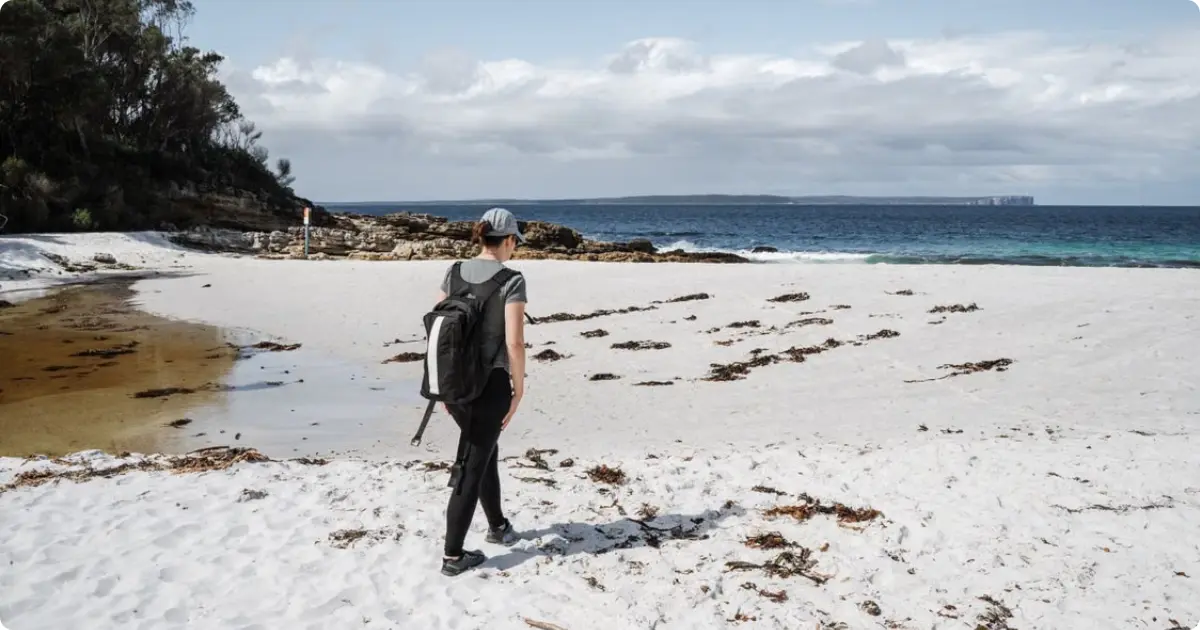

Planning a trip to Australia feels exciting until you open your suitcase and realize you have no idea where to start. The country spans five climate zones. The east coast is nothing like the Red Centre. A December trip to Melbourne is completely different from one to Cairns. And if you pack for what you think an Australian summer looks like sunshine, beaches, nothing but shorts the chilly evenings in Sydney will catch you off guard.
This guide cuts through the confusion. Whether you’re heading to Australia for a week, a month, or longer, and whether your itinerary covers city breaks, coral reefs, desert landscapes, or all three, this packing list gives you exactly what you need and nothing you don’t.
Why Packing for Australia Is Different from Most Destinations
The first thing travelers from the US and UK need to understand is that Australia’s seasons are reversed. When it’s winter in North America and the UK, Australia is in the middle of summer. That means a December or January trip means heat, not holiday sweaters at least in most parts of the country.
The second thing is scale. Australia is roughly the same size as the continental United States. The northern tropics, the southern highlands, the desert interior, and the temperate southeast all have distinct climates. A trip that covers multiple regions may require you to pack for several weather types simultaneously.
The third factor is biosecurity. Australia’s customs rules are among the strictest in the world. Certain foods, plant materials, and animal products are prohibited. Declaring everything at the border is mandatory. Failing to declare items can result in serious fines. This matters for packing because it shapes what you should leave at home and what you should never bring from a previous destination without declaring it.
The Documents and Entry Requirements You Cannot Forget
Before thinking about clothing or gear, sort your documents. Every visitor to Australia from the US or UK needs either an Electronic Travel Authority (ETA), an eVisitor visa, or another valid visa before boarding the plane. Neither is automatically granted at the border.
Pack or digitally store:
- Passport (valid for the entire duration of your stay)
- Visa confirmation or ETA approval
- Travel insurance policy and emergency contact numbers
- Outbound or onward flight confirmation
- Accommodation bookings for at least your first night
- Emergency cash in Australian dollars for arrival
Keep physical copies of your passport photo page and visa separately from your originals. If your bag is lost, having these copies speeds up the replacement process considerably.
Australia Packing List: The Universal Essentials
These items belong on every Australia packing list regardless of when you travel, where you go, or how long you stay.
Sun Protection
Australia has some of the highest UV radiation levels in the world. The UV index regularly exceeds 10 in summer a level considered “extreme” and remains high year-round even in cooler months. Sunburn can happen on overcast days.
- SPF 50+ broad-spectrum sunscreen (reef-safe if you plan to snorkel or dive)
- Wide-brimmed hat that covers ears and neck
- UV-protective sunglasses rated to block at least 99% of UV
- Lightweight, long-sleeved shirts for outdoor days
Note: Sunscreen is widely available in Australian pharmacies and supermarkets, so you do not need to pack enough for the whole trip. Buy more when you arrive.
Clothing Basics
The ideal packing approach for Australia is layers and versatility. Avoid packing a single “summer wardrobe” or a single “winter wardrobe” unless your itinerary is entirely confined to one region and one season.
- Lightweight, breathable t-shirts and tops (4–6 depending on trip length)
- One or two lightweight long-sleeved shirts for sun protection and cool evenings
- Versatile shorts or casual trousers
- One smart-casual outfit for restaurants and city evenings
- Light jacket or zip-up fleece for air-conditioned interiors and cooler nights
- Swimwear (1–2 pieces essential even on non-beach trips, since many outback stops have natural swimming holes)
- Quick-dry underwear
Footwear
| Footwear Type | Best For |
|---|---|
| Comfortable walking shoes or trail runners | City walking and light trails |
| Sandals or flip-flops | Beach, pool, and casual days |
| Water shoes or reef-safe sandals | Rock pools and reef swimming |
| Hiking boots | Significant hiking itineraries only |
Do not overpack shoes. Three pairs cover nearly every scenario Australia presents.
- Comfortable walking shoes or trail runners for city walking and light trails
- Sandals or flip-flops for beach, pool, and casual days
- Water shoes or reef-safe sandals if you plan to explore rock pools or swim at reefs
If your trip includes significant hiking, swap the trail runners for proper hiking boots.
Toiletries and Health
Standard toiletries are easy to buy in Australia. Keep your carry-on liquids minimal and restock on arrival.
- Toothbrush, toothpaste, and floss
- Deodorant
- Insect repellent containing DEET (particularly important in tropical regions and for camping)
- Basic first aid kit: adhesive bandages, antiseptic cream, pain relief, antihistamines
- Any prescription medications in original packaging with a copy of your prescription
- Motion sickness tablets if relevant
- Aloe vera gel or after-sun lotion
Tech and Adapters
Australia uses Type I power outlets with a standard voltage of 230V and a frequency of 50Hz. US plugs (Type A/B) and UK plugs (Type G) will not fit without an adapter. Voltage converters are only needed if your devices do not support dual voltage most modern phones, laptops, and cameras do.
- Universal travel adapter or a Type I adapter specifically
- Portable power bank (essential for outback and outdoor days)
- Charging cables for all devices
- Memory cards and spare camera batteries
- Waterproof phone case or dry bag for water activities
What to Pack for Australia in Summer
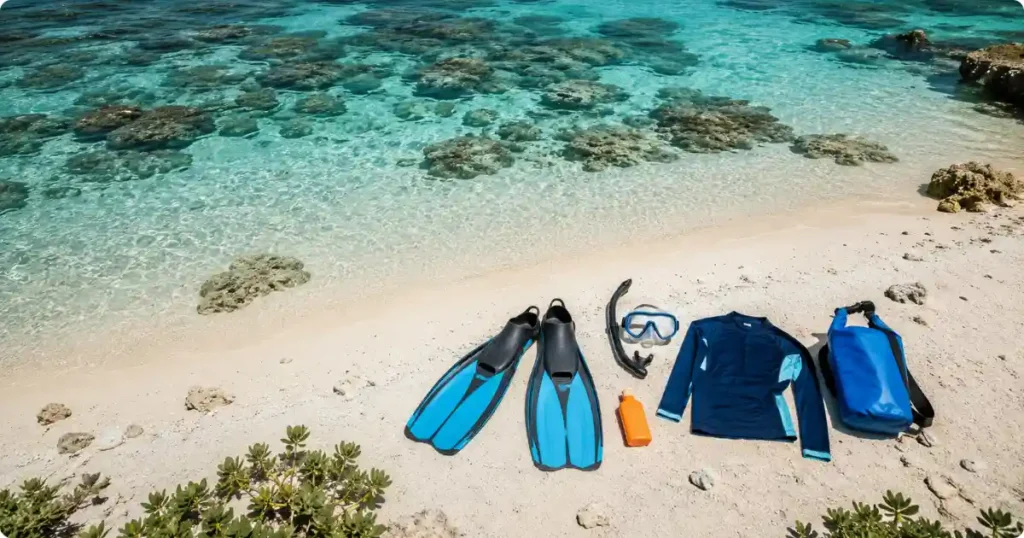
Australian summer runs from December through February. In most of the country, this means intense heat, long days, and high UV. In the tropical north, it also means the wet season a period of heavy rainfall, flooding, and high humidity that affects access to some national parks and remote roads.
Clothing for Hot Weather
- Lightweight, breathable fabrics such as linen, cotton, or moisture-wicking synthetics
- Loose-fitting clothing that covers shoulders and upper arms for sun protection
- Light layer for evening even in summer, Sydney and Melbourne evenings can drop to a comfortable coolness
- Rash vest or sun shirt for beach and water days (more effective than relying solely on sunscreen)
- Casual dresses or shorts for city exploring
Avoid dark-colored clothing on outdoor days. In temperatures that can exceed 40°C (104°F) in some regions, dark fabrics absorb considerably more heat.
Gear for Beaches and Reefs
Australian beaches are world-class, and the Great Barrier Reef is a common itinerary item for US and UK visitors. Pack specifically for water activities.
- Reef-safe SPF 50+ sunscreen (conventional oxybenzone-based sunscreens are harmful to coral ecosystems and are prohibited or restricted in protected marine areas)
- Rash vest with UPF 50+ rating
- Snorkel mask (rental is available at most reef sites, but having your own ensures fit and hygiene)
- Turkish towel or compact quick-dry towel lighter and faster-drying than standard beach towels
- Waterproof bag or dry bag for phone, wallet, and keys during water activities
- Reef shoes or water sandals for rocky shores and swimming holes
What to Pack for Australia in Winter
Australian winter runs from June through August. What this means in practice depends entirely on where you are. In Queensland and the Northern Territory, winter is the most pleasant time to visit warm, dry, and sunny. In Victoria, Tasmania, and the New South Wales highlands, temperatures drop noticeably, and snow falls in alpine areas.
Clothing Layers for Cooler Regions
If your itinerary includes Melbourne, Tasmania, or the Snowy Mountains during winter, pack as you would for a cool European autumn or spring.
- Thermal base layer top and bottoms
- Warm mid-layer: fleece or wool sweater
- Waterproof and windproof outer jacket
- Scarf, beanie, and lightweight gloves
- Thick socks
- Waterproof walking boots or sturdy closed-toe shoes
- One smart layer for evenings out
If skiing or snowboarding in the Snowy Mountains is on your itinerary, ski and snowboard equipment can be rented locally there is no need to transport bulky gear internationally.
Winter Packing for the Tropical North
This is the aspect of Australian winter that most surprises first-time visitors from the US and UK. Queensland, the Northern Territory, and the Kimberley region in winter are hot, sunny, and dry. Packing for these areas in June, July, or August requires almost the same summer checklist.
The one difference is that desert regions like the Red Centre including Uluru experience very cold nights, even in the middle of Australia’s dry season. A warm layer, including a fleece or light down jacket, is essential for sunrise hikes and evening experiences in the outback at any time of year.
Packing by Trip Type: City, Coast, Outback, and Rainforest
| Trip Type | Priority Items | Key Consideration |
|---|---|---|
| City | Smart-casual outfit, walking shoes, light jacket, day bag | Laundry accessible; easy to buy anything forgotten |
| Coastal and Beach | Swimwear (2 pieces), rashguard, quick-dry towel, dry bag | One piece dries while the other is worn |
| Outback and Desert | High-capacity water bottle, wide-brimmed hat with chin strap, warm night layer, headlamp | Temperatures drop dramatically after sunset |
| Rainforest and Tropical North | Moisture-wicking clothing, waterproof jacket, insect repellent, water shoes | Rain can be sudden and heavy outside dry season |
Where you go in Australia matters as much as when you go.
City Travel
Sydney, Melbourne, Brisbane, and Perth are cosmopolitan cities with everything a traveler needs within easy reach.
- Smart-casual clothing for restaurants, bars, and cultural venues
- Comfortable walking shoes Australian cities are walkable but substantial
- A light jacket for air-conditioned spaces and cool evenings
- A compact crossbody or day bag for city days
You do not need to overpack for city portions of your trip. Laundry facilities are accessible, and anything forgotten is easy to buy locally.
Coastal and Beach Trips
Australia’s coastline stretches for roughly 35,000 kilometers, covering tropical, temperate, and remote environments.
- Swimwear (two pieces so one can dry while wearing the other)
- Rashguard or swim shirt
- Beach footwear
- Quick-dry towel
- Waterproof bag
- Snorkel gear if diving is planned
- Dry bag for valuables
Outback and Desert Travel
The Australian outback is remote, harsh, and genuinely demanding. Water management and sun protection take priority over everything else.
- Reusable water bottle with high capacity at least one liter per person for day hikes
- Wide-brimmed hat with chin strap (wind is common and can remove an unsecured hat)
- Lightweight long-sleeved shirts and long trousers to protect against UV and insects
- Warm layer for night temperatures in the desert drop dramatically after sunset
- Headlamp or torch for camping and early morning hikes
- First aid kit with more comprehensive supplies than usual
- Insect repellent with DEET
If camping or undertaking multi-day hikes, add a sleeping bag rated appropriately for night temperatures.
Rainforest and Tropical North
The Daintree Rainforest, Kakadu, and similar tropical environments present a different set of requirements.
- Lightweight, moisture-wicking clothing that dries quickly
- Long-sleeved shirts and long trousers for leech and insect protection
- Waterproof jacket or poncho rain can be sudden and heavy outside dry season
- Waterproof bags for all electronics
- Strong insect repellent
- Water shoes for creek crossings
Australia Packing List by Trip Length
| Trip Length | Luggage Approach | Clothing Days to Pack | Key Strategy |
|---|---|---|---|
| One Week | Carry-on only | 5–6 days, mix-and-match | Buy consumables on arrival; one light laundry if needed |
| Two to Three Weeks | Medium checked bag or 40–50L backpack | 7–9 days | Use accommodation laundry; broader footwear range for mixed itineraries |
| One Month or Longer | Core essentials only; buy locally | Core basics only | Budget to purchase seasonal clothing and gear in Australia |
How long you stay in Australia shapes how much you need and how you manage laundry.
One Week
A week-long trip is manageable with carry-on luggage only, which also speeds up airport arrivals.
Focus on:
- Five to six days of outfits that can be mixed and matched
- One smart outfit for nicer evenings
- Sun protection essentials
- Documents wallet and adapter
- Minimal toiletries buy on arrival what you need
Two to Three Weeks
Most US and UK visitors fall into this category. A medium-sized checked bag or a 40-50L backpack handles a two to three week trip comfortably.
- Seven to nine days of clothing (laundry available in most accommodation)
- A broader range of footwear if the itinerary spans city, beach, and nature
- More comprehensive first aid supplies
- A power bank rated for multiple device charges
One Month or Longer
Extended stays whether for travel, work, or a working holiday visa require a different mindset. Pack light and plan to buy locally.
- Core essentials only on arrival
- Budget for purchasing extra clothing, toiletries, and equipment in Australia rather than packing it from home
- Packing cubes for organization across multiple accommodation types
- A compact laundry detergent option for hostel or Airbnb stays
- Copies of all important documents stored digitally and in a separate physical location
What Not to Pack for Australia
Some items should stay at home entirely.
Fresh food, fruit, and vegetables: Bringing fresh produce into Australia is prohibited. It will be confiscated at customs, and fines can apply for failure to declare. This includes snacks you might carry from a connecting country.
Feathers, shells, and untreated wooden items: These fall under biosecurity restrictions in many circumstances. When in doubt, leave them behind or declare them.
Excessive cash: While cash should be carried for emergencies, Australia is highly card-friendly. Carrying large amounts of undeclared cash triggers customs requirements.
Heavy hiking boots if you won’t hike: Many travelers pack technical hiking boots “just in case” and never use them. Trail runners handle the vast majority of Australian terrain and take up far less space.
Multiple formal outfits: Australian culture is generally relaxed. A single smart-casual outfit handles almost every evening occasion outside of a formal event or wedding.
Bulky hairdryers and styling tools: Most Australian accommodation provides these. Confirm with your lodging before packing.
Packing List for Families Traveling to Australia
Family travel to Australia adds a few specific considerations without radically changing the universal essentials.
For children, sun protection takes priority above everything else. Children’s skin is more sensitive to UV than adult skin, and Australia’s UV levels are intense year-round. Pack a dedicated children’s SPF 50+ sunscreen, sun hats with neck flaps, and UPF-rated swimwear.
Additional family-specific items:
- Portable sunshade or beach tent for babies and toddlers
- Insect repellent formulated for children (check age recommendations on packaging)
- Light-colored, loose-fitting clothing for children in tropical and outback regions
- Motion sickness tablets for children if long road sections are planned
- A compact first aid kit with child-appropriate doses of pain relief and antihistamines
- Comfortable, well-fitted walking shoes for older children Australian cities and nature sites involve significant walking
For longer family trips, plan on buying certain items locally. Children’s clothing, sunscreen, and basic toiletries are all readily available across Australia’s major cities and regional centers, often at comparable or lower prices than home.
Frequently Asked Questions
What do I need to pack for Australia in December? December falls in Australian summer. For most destinations, pack lightweight summer clothing, strong sun protection, and swimwear. If visiting Melbourne or Tasmania, add a light evening layer. If heading to the tropical north, be aware that December is the start of the wet season bring a waterproof layer and check road access to any remote areas.
What should I pack for Australia in November? November is late spring in Australia, transitioning into summer. Conditions are warm and sunny across most of the country. Pack as you would for summer, with slightly more flexible layering options for the cooler south.
How should I pack for a week in Australia? A carry-on bag is genuinely sufficient for one week if you pack versatile pieces and plan to do one small laundry. Prioritize sun protection, one pair of walking shoes, one pair of sandals, and mix-and-match clothing. A travel adapter and portable power bank are essential tech additions.
What should I pack for a year in Australia? Packing for a full year common among those on working holiday visas requires a very different approach. Pack a core wardrobe of durable basics and plan to buy seasonal clothing in Australia as needed. Storage solutions like packing cubes become important when living out of a bag across multiple regions and seasons.
Do I need to pack a power adapter for Australia? Yes. Australia uses Type I outlets, which are incompatible with US and UK plugs. Bring a universal adapter or a specific Type I adapter. Most modern devices handle Australia’s 230V voltage automatically, so a separate voltage converter is usually unnecessary.
Is there anything I absolutely must not bring to Australia? Fresh fruit, vegetables, seeds, meat products, and plant materials are subject to strict biosecurity rules. These items must be declared at customs and may be confiscated. Never bring undeclared organic materials through an Australian border fines are substantial.
Final Verdict
Australia rewards travelers who pack thoughtfully rather than heavily. The key insight this packing list keeps returning to is that Australia is not one destination it is many destinations stacked together, each with its own climate demands. Sun protection is the one non-negotiable that applies everywhere, at every time of year. Beyond that, let your specific itinerary, your travel season, and your trip length guide the final contents of your bag.
Carry versatile basics, plan on buying consumables like sunscreen and insect repellent locally, and resist the urge to overpack for scenarios that may never arise. A well-curated, lighter bag makes the practical side of Australian travel long distances between cities, frequent domestic flights, active days on beaches and trails significantly easier. Pack smart, and the continent takes care of the rest.
