

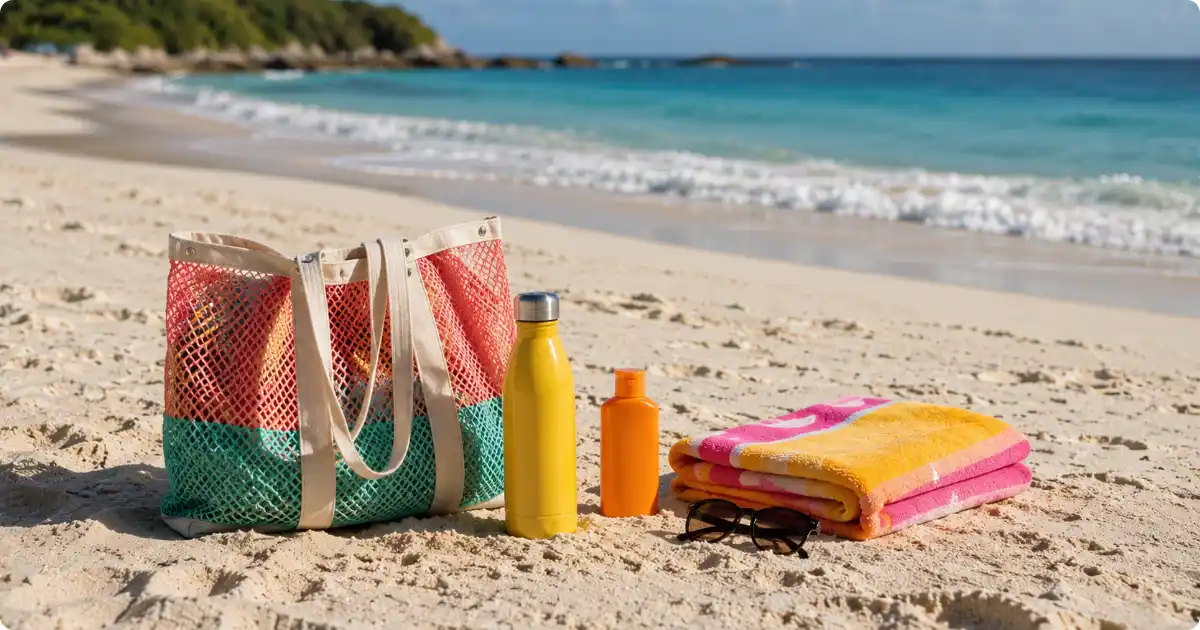
Most beach packing mistakes happen before a single item goes into the suitcase. People either overpack because they want to be prepared for everything, or they underpack and end up buying overpriced items at the nearest tourist shop. Neither situation is ideal, especially when a little upfront planning can prevent both.
This beach vacation packing list covers everything you need, organized by category, trip length, and traveler type. Whether you are heading out for a long weekend or a full week, the goal is simple: pack what you will actually use, leave behind what you will not, and arrive ready to enjoy every minute of it.
Quick Answer
A well-rounded beach vacation packing list includes swimwear, cover-ups, sandals, a sun hat, sunscreen (SPF 30 or higher), a beach towel, a beach bag, sunglasses, a reusable water bottle, and basic toiletries. Add beach chairs or an umbrella if your accommodation does not provide them. For trips of five days or more, pack extra swimsuits, a light evening outfit, and any personal medications.
Start Here: Two Questions That Change Everything You Pack
Before pulling out the suitcase, two questions will shape your entire packing strategy.
Where are you staying? A resort or all-inclusive often provides beach chairs, umbrellas, and towels. Bringing your own means extra luggage weight for items you will never use. A vacation rental or house near a public beach usually means you are responsible for everything, which makes a full gear list more relevant.
How are you getting there? Flying puts real limits on what you can bring, especially for bulky beach gear like full-sized coolers, large chairs, or oversized floats. Driving gives you much more flexibility. If you are flying, prioritize compact, packable versions of beach essentials and leave anything oversized at home.
Answering these two questions before you pack will cut your list in half and prevent the frustration of hauling things you never needed.
Clothing and Swimwear
Swimsuits and Cover-Ups
Pack at least two swimsuits. This is not about style variety; it is practical. Wet swimsuits take time to dry, and having a second one means you are never stuck wearing a damp suit the next morning. For longer trips, three swimsuits is a reasonable number for a full week without having to hand-wash or wait.
Cover-ups serve double duty. A light sundress or sarong works at the beach and can pass as a casual outfit when you duck into a restaurant or shop. Look for something quick-drying that packs flat without wrinkling. Linen and rayon blends work well in warm climates.
Casual Clothes for Off-Beach Time
Beach trips are not all sand and water. Factor in evenings out, travel days, and any excursions. A general rule that works well: pack one casual daytime outfit per two days, plus one slightly nicer outfit for dinner if your destination calls for it. Light fabrics like cotton and linen are breathable and pack efficiently.
Shorts, a couple of t-shirts, and one or two lightweight dresses or casual button-downs will cover most situations. A light cardigan or thin layer is useful for air-conditioned restaurants and evening walks.
Footwear
| Shoe Type | Best For | When to Add |
|---|---|---|
| Flip-flops or casual sandals | Beach, casual daytime use | Every beach trip |
| Supportive walking sandal | Longer walks, shopping, sightseeing | Every beach trip |
| Dressier shoes | Nicer dinners, evening outings | If your destination calls for it |
| Water shoes | Rocky shorelines, reef areas, kayaking, paddleboarding | If water activities or rocky beaches are planned |
Three pairs of shoes cover almost every scenario at a beach destination.
First, flip-flops or sandals for the beach and casual daytime use. Second, a comfortable walking sandal with some support for longer walks, shopping, or sightseeing. Third, one pair of slightly dressier shoes if you plan on nicer dinners. Water shoes are worth adding if your destination has rocky shorelines, reef areas, or planned water activities like kayaking or paddleboarding.
Beach Gear
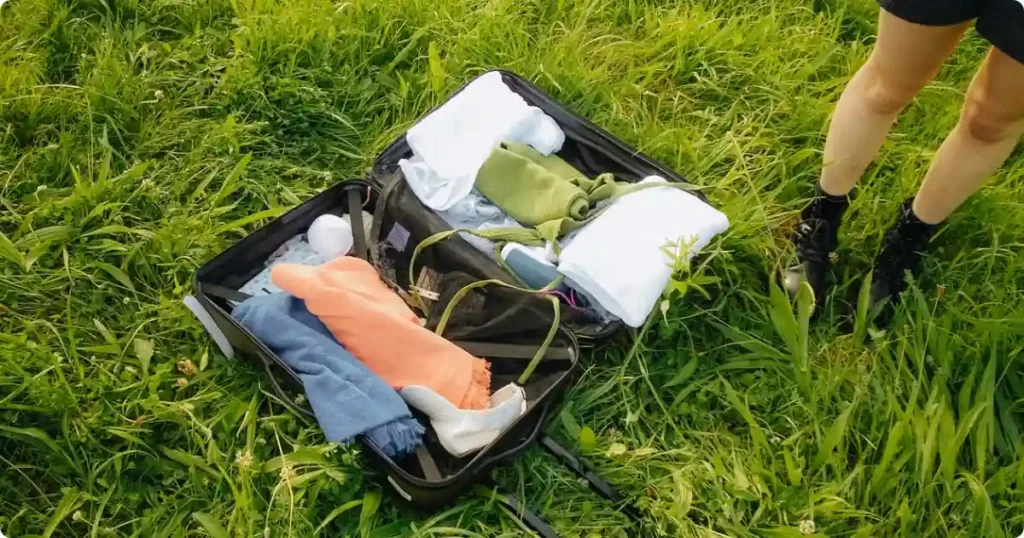
Shade and Seating
If your accommodation does not include beach chairs and umbrellas, these are worth bringing or renting. Most beach towns have rental options, which can be more convenient than transporting bulky gear, especially if you are flying.
If you are driving or have the space, a compact pop-up beach tent or beach umbrella provides good shade throughout the day. Lightweight foldable beach chairs that lay flat are far easier to transport than traditional camp-style chairs. A beach blanket or mat works as a ground cover and doubles as extra seating when needed.
Bags and Organization
A good beach bag is one of the most useful things you can pack. Look for a mesh or nylon tote that is easy to clean, large enough for towels and gear, and ideally has an interior pocket for your phone and valuables. Mesh allows sand to fall through rather than accumulate at the bottom.
Zip-top plastic bags or reusable dry bags are underrated. They protect your phone, keep wet swimsuits separate from dry clothes on the way home, and prevent sunscreen bottles from leaking onto everything else in your bag.
A beach safe or small lockbox is worth considering if you are at a public beach and plan to swim without leaving someone behind to watch your belongings. These compact boxes tether to a beach chair and can hold a phone, keys, and cards.
Water and Entertainment
Staying hydrated at the beach is easy to overlook when you are focused on having fun. Bring a reusable water bottle and refill it regularly. An insulated tumbler keeps drinks cold far longer than a regular cup, which matters on a hot beach day.
A waterproof phone case is essential if you want to take photos in the water or near waves. A portable Bluetooth speaker adds a lot to a beach day and most are compact enough to fit easily in a bag. If you enjoy reading, a dedicated e-reader has a significant advantage at the beach over a tablet or phone because the screen is readable in direct sunlight without glare.
Snorkel gear is worth packing if your destination has reef areas or clear water. Rental equipment works in a pinch, but having your own mask ensures a proper fit and eliminates any hygiene concerns.
Sun Protection and Health Essentials
Sunscreen and Skin Care
Sunscreen is the single most important item on any beach packing list. Pack more than you think you need. A good rule of thumb is SPF 30 as a minimum, with SPF 50 for extended sun exposure or for anyone with fair skin. Bring a separate facial sunscreen if your skin type calls for it, and add an SPF lip balm that you will actually remember to use.
If you are visiting a destination with protected reef ecosystems, check local regulations before you pack. Several beach destinations in Hawaii, the Caribbean, and parts of Mexico have restrictions on chemical sunscreens that harm coral reefs. Mineral sunscreens with zinc oxide or titanium dioxide are widely accepted alternatives and are gentler on sensitive skin.
After-sun lotion is consistently one of the most forgotten items in beach packing. Aloe vera gel or an after-sun cream soothes skin at the end of a full day in the sun and helps prevent peeling. Pack a small bottle and you will be grateful for it.
Sunglasses with UV protection and a wide-brimmed sun hat round out your sun protection kit. A hat with at least a three-inch brim shields your face, ears, and the back of your neck. These are worth investing in before your trip rather than buying overpriced versions at a beach shop once you arrive.
First Aid and Medications
A small first aid kit does not need to be elaborate. Bandages, antiseptic wipes, and hydrocortisone cream cover the most common beach-related irritations blisters from sandy sandals, minor cuts from shells or rocks, and heat rash.
Bring any prescription medications in their original containers and pack them in your carry-on if flying. Motion sickness medication is useful if your trip includes boat excursions. Pain relievers, antidiarrheal medication, and an antihistamine cover most unexpected situations without requiring a pharmacy run during your vacation.
Insect repellent often goes unpacked for beach trips, but tropical beach destinations, especially at dawn and dusk near vegetation, can have significant mosquito activity. A travel-sized repellent takes up almost no space and can save a lot of discomfort.
Electronics and Documents
Pack a waterproof or water-resistant case for your phone. A portable power bank is useful for full beach days when you are far from an outlet. If you are an avid photographer, a waterproof action camera is far more practical at the beach than a standard digital camera, which cannot handle spray, sand, or accidental drops into the water.
An adapter is necessary if you are traveling internationally. Even within the US and UK, a compact multi-port USB charger lets you charge multiple devices from a single outlet, which is particularly helpful in rental accommodations where outlets can be scarce.
For documents, carry your ID or passport, any hotel reservations or rental confirmations, travel insurance information, and an emergency contacts list. Digital copies backed up to cloud storage are a smart backup in case anything gets lost or damaged.
What to Pack for a 5-Day Beach Vacation
A five-day beach trip does not require as much as most people think. The key is planning around overlap items that serve multiple purposes reduce the total count significantly.
For a five-day beach vacation, a practical clothing count looks like this: two to three swimsuits, three to four casual outfits, one evening outfit, two pairs of sandals, and flip-flops for the beach. That covers daily rotation with a little flexibility.
On the toiletries side, travel-sized containers keep things light. Sunscreen is the one item worth packing in full size rather than travel size you will go through more than a small bottle over five days. Keep beach gear minimal: one beach towel per person, a good beach bag, sunscreen, sunglasses, a hat, and a water bottle are the daily essentials. Add a beach umbrella or chair only if your accommodation does not provide them.
Five days is short enough that you can reasonably plan outfits in advance and avoid overpacking by sticking to a single color palette that lets pieces mix and match.
What to Pack for a Week-Long Beach Vacation
| Category | 5-Day Trip | 7-Day Trip |
|---|---|---|
| Swimsuits | 2–3 | 3–4 |
| Casual outfits | 3–4 | One per day, plus a buffer |
| Evening outfits | 1 | 2 or more |
| Sandal pairs | 2 | 2–3 |
| Sunscreen size | Full size | Full size, consider a backup |
| Beach gear extras | Towel, bag, hat, water bottle | Above, plus cooler bag or beach cart if driving |
A week at the beach means more laundry or more clothes. If your accommodation has a washer and dryer, you can pack lighter and re-wear strategically. If not, plan for one outfit per day with a little extra buffer.
For a full week, add one or two additional swimsuits beyond what you would bring for five days. A week of daily beach time means swimsuits cycle through more slowly and benefit from having more options. Add a couple of extra casual outfits and at least one more evening option.
Beach gear stays the same at the core the difference is that a one-week trip justifies bringing a few comfort additions you might leave behind for a shorter trip, like a better beach chair, a cooler bag for lunches, or a beach cart if you are driving. A beach cart or wagon makes transporting all your gear from the car to the sand much easier, especially for families.
For a one-week stay, a printable or digital packing checklist is genuinely useful. Going through it the night before you leave catches the small things that slip through mental checklists sunscreen, chargers, travel documents, medications.
What Women Should Pack for a Beach Vacation
A beach trip wardrobe for women balances practicality with the reality that beach destinations often involve both active beach time and casual social settings in the evenings.
Beyond swimsuits and cover-ups, pack at least one breezy sundress that works for both daytime and a casual dinner. Lightweight linen or cotton shorts and a few versatile tops can mix easily. A light scarf or wrap is useful both as a cover-up and as an extra layer in the evenings.
Women’s beach-specific essentials include a good-quality SPF moisturizer for daily face use, a waterproof mascara if you wear makeup, and a hair tie or clip for managing hair in the wind and humidity. Dry shampoo is surprisingly useful for beach trips when salty water and humidity make daily washing impractical.
Reusable mesh bags make excellent beach tote liners and double as laundry bags for wet or sandy items. A small crossbody bag that is compact and water-resistant is useful for evenings out when a full beach bag is too large.
For longer beach trips, a couple of elevated accessories a statement earring, a simple necklace can transform a casual sundress into something appropriate for a nicer dinner without taking up much space.
What Most People Forget to Pack
Certain items come up repeatedly as forgotten essentials once people actually arrive at a beach destination.
After-sun care is the most commonly forgotten item. Spending a full day at the beach without reapplying sunscreen often enough is easy to do, and the effects are felt that evening. Aloe vera gel or after-sun lotion belongs on every beach packing list.
A reusable water bottle is another common omission. Bottled water at beach destinations is expensive and creates unnecessary waste. Bringing your own bottle and refilling it throughout the day is both economical and practical.
Waterproof bags or zip-top bags for wet items are easy to overlook but solve one of the most common end-of-beach-day problems: a bag full of wet towels, damp swimsuits, and everything else.
Towel clips the simple clips that keep towels from blowing off beach chairs are small, cheap, and remarkably satisfying to have.
Prescription medications, contact lens solution, and travel adapters round out the list of frequently forgotten items. These are best packed the night before, not the morning of departure.
What to Leave Behind
Some items that seem useful end up creating more hassle than they are worth at the beach.
Expensive jewelry has no place in sand and saltwater. Even items that seem secure can be lost in the ocean or damaged by salt and sunscreen.
A full-sized cooler is impractical for most beach trips, especially if you are flying. An insulated soft-sided tote bag keeps drinks and snacks cold for several hours and is far easier to carry across sand.
Check what your hotel or resort provides before packing beach towels, chairs, or umbrellas. Many properties include these as standard amenities, and bringing your own wastes suitcase space unnecessarily.
Heavy everyday shoes like sneakers or boots do not earn their weight on a beach trip where the days are almost entirely sandal-appropriate. Unless you have a specific activity planned that requires them, leave them behind.
Anything fragile, breakable, or irreplaceable has no practical reason to come to the beach. Waves, sand, and sunscreen create an environment where things get dropped, scratched, and damaged routinely.
Final Verdict
A thoughtful beach vacation packing list is not about bringing everything that could possibly be useful. It is about bringing exactly what you need for how long you are going, where you are staying, and what you plan to do. Start with the two questions that matter most accommodation type and how you are getting there and let those answers shape every decision after.
The non-negotiables across every beach trip are sunscreen (more than you think), at least two swimsuits, a good beach bag, a sun hat and sunglasses, a reusable water bottle, and after-sun care. Build from there based on trip length and your specific plans. Travel light where you can, but never skip the items that protect your health and make the trip genuinely comfortable. The beach is best enjoyed when you are not distracted by something you wish you had brought.
